 Home



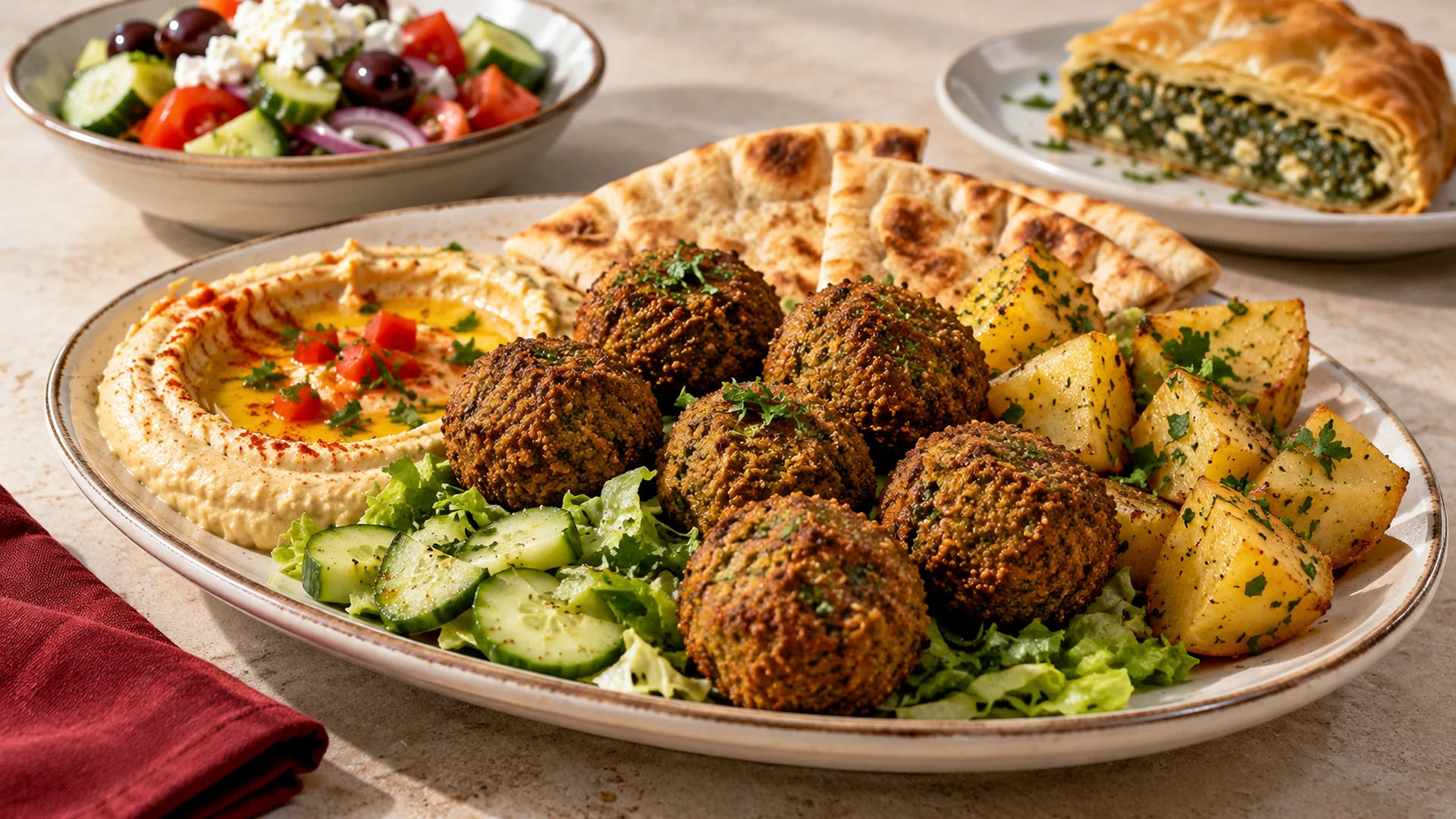
Build a meat-free meal by choosing a main first, then checking the bread, sauce, cheese, and sides that come with it. The Fat Lamb Orlando lists falafel, hummus, salads, and spinach pie in several meal formats. Longwood-area diners can compare these options at the restaurant’s actual location in Altamonte Springs.
Comparing Greek restaurants near Longwood becomes easier when you look beyond the meat dishes. A menu may offer several ways to enjoy falafel, vegetables, chickpeas, bread, and cheese. The useful question is which combination works as your meal. Removing meat from someone else’s order is not the only way to choose a dinner that fits your preferences.
The Fat Lamb Orlando menu gives you several starting points. You can compare a falafel platter with a burger, read the hummus sandwich listing, or combine a salad with a listed starter. The options differ in ingredients and format, so this guide explains what to read before deciding. It also separates ordinary meat-free choices from assumptions about vegan ingredients or special requests.
Begin With the Meal You Want Instead of Removing the Meat
Start with a listed meat-free dish that matches the way you want to eat. A falafel platter offers a plate with several components, while a falafel burger gives you a bread-based main. A hummus sandwich presents another format. Choosing the main first keeps your order clear. You can then decide whether the included sides and sauce suit you, rather than trying to rebuild a meat dish through several separate changes.
Think about the main’s role in your meal. If you want one substantial focus, start with the platter or sandwich categories. If you want several smaller items, compare the appetizer and salad listings together. Both approaches can make sense, but they involve different decisions. An appetizer does not automatically become a complete dinner because it contains no meat. Choose the combination according to your appetite and the food you want.
Look at the format before using broad labels. A burger, pita sandwich, salad, and platter give you different ways to combine bread, vegetables, chickpeas, and sauce. Someone who wants a handheld main may prefer the burger. Someone who wants to taste the parts separately may prefer the platter. Neither choice needs a claim about being healthier or more traditional. The format itself provides a clear reason to choose one over another.
Keep the order positive and specific. Instead of beginning with everything you do not eat, identify the dish you want and the particular ingredient question you need answered. This makes the conversation with the restaurant easier. You can ask about that item’s sauce or bread without treating the entire menu as uncertain. The result is a planned meal with a clear main, useful extras, and fewer assumptions about changes.
You can enjoy the same main on more than one visit and change only the side you choose. That gives you a simple way to explore the menu while keeping the part of the meal you already know you like.
Compare Falafel as a Main Dish or an Appetizer
Falafel can play different roles depending on the listing you choose. The menu describes a chickpea-based falafel with herbs and cumin and offers it among appetizers as well as in main-meal formats. Start by deciding whether you want falafel to lead the meal or add variety beside another dish. The word falafel alone does not tell you the included bread, sides, sauce, or final combination in each format.
The falafel platter lists falafel with hummus, lemon potatoes, and pita. That combination gives you several parts in one named meal. Read the current description before adding more hummus or potatoes separately. You may still want an extra, especially when another diner will share it, but make the purpose clear. The plate already offers a starting arrangement, so you do not need to build every part from the side menu.
The falafel burger changes the way you eat the main. The menu describes a falafel patty with hummus and vegetables on a Kaiser bun. This can suit someone who enjoys a burger format while choosing a meat-free filling. Read the specific ingredients rather than assuming it uses the same bread and sauce as another sandwich. The format matters because each bite brings more of the listed parts together in one place.
A falafel appetizer can suit a diner who wants a smaller part of a broader order. You might pair it with a salad or choose it as the new item beside a familiar dish. Decide how the other food completes the meal before paying. This helps you avoid ordering an appetizer and several unrelated extras simply because you had not chosen a main. A clear combination can be simple even when it uses more than one menu category.
Build Around Hummus Without Repeating the Same Bite
Hummus gives you a chickpea-based dip that can sit at the start of a meal or within a listed main. The restaurant describes its hummus with olive oil, lemon juice, and roasted red pepper. Read where hummus already appears before adding it separately. A falafel platter and hummus sandwich already use the ingredient, so an extra order should add an amount or shared item that you actually want.
A hummus starter makes sense when you want a dip alongside bread or another dish. Choose the rest of the meal to provide a different form or texture. A salad, for example, gives you a separate vegetable combination rather than another dip. You can enjoy a simple pairing without assuming that every meal needs a meat replacement. The useful comparison is what each item adds to the food you already plan to eat.
The hummus sandwich provides a different way to choose the same general ingredient. Read its current description, including the listed tabbouleh and lettuce, before treating it as a plain hummus-and-bread order. A named sandwich can contain more than the ingredient in its title. This matters if you want a particular combination or need to ask about one part of it. The full description helps you choose more accurately than a short search preview.
Avoid assuming that repeated ingredients always make an order less enjoyable. You may genuinely want hummus in more than one part of dinner. The point is to notice the repetition and choose it deliberately. If you want more contrast, pair a dip with a dish built around vegetables or pastry. If hummus is the main reason you chose the restaurant, keeping it central can also be a perfectly clear preference.
Understand Where Cheese and Yogurt Appear
Several meat-free dishes on this menu contain dairy. Spinach pie lists cheese, the Greek and Sheppard salads list feta, and tzatziki uses yogurt. These details help you distinguish a meat-free choice from a dairy-free or vegan choice. Read the ingredients of the exact item you want. A broad cuisine label or a symbol beside another dish does not establish what every sauce, bread, or filling contains.
Tzatziki and hummus offer different bases, so do not treat them as interchangeable in your ingredient plan. The menu describes yogurt in tzatziki and chickpeas in hummus. If you avoid dairy, that difference provides a useful question to ask about the complete meal. A dish may include sauce outside its main filling too. Discuss the actual order with the restaurant rather than assuming that choosing one dip settles every other ingredient.
Cheese can also appear as part of a salad or pastry rather than as an optional topping. Spinach pie includes cheese in its listed filling, so a request to remove a topping may not describe what you need. Ask whether the restaurant offers a suitable listed alternative. Choosing another dish can be simpler than relying on a change that the restaurant cannot make. The menu should help you find a realistic option.
For a vegan preference or another specific ingredient requirement, ask clear questions before ordering. This article does not certify dishes, kitchen handling, or modifications. The restaurant can tell you about its current ingredients and available options. Keep the question focused on the food you want to buy. You can then decide whether the answer fits your needs without treating a short menu description as a complete ingredient statement.
Use Salads and Spinach Pie in Different Ways
Salads and spinach pie offer different kinds of meat-free choices, so compare their ingredients and purpose rather than grouping them together. A salad centers on its listed vegetables and additions. Spinach pie combines spinach and cheese within filo pastry, and the menu lists a small salad with it. You can choose the item that matches the texture and meal format you want instead of assuming that either one fills the same role.
The Greek salad lists romaine, tomato, cucumber, onion, feta, olives, and pepperoncini. The Sheppard salad lists chopped cucumber, onion, tomato, parsley, and feta. One begins with a leafy base, while the other uses a chopped vegetable combination. That is a concrete difference you can use when choosing. Check the dressing and any additions as part of your order, especially if the ingredient details matter to you.
A salad with a listed addition can provide a different order from a salad alone. The menu shows falafel among the available salad additions, alongside meat and fish choices. Read the current options when ordering, and check what the selected addition changes. You do not need to promise a calorie total or a particular nutritional result to explain the choice. It simply gives you another way to combine foods you want.
Spinach pie can suit someone who prefers pastry and cheese to a bread-based sandwich. Because the listing includes a small salad, check whether you still want another vegetable dish alongside it. You may choose a separate dip or another main if your appetite calls for it. The important step is to understand the existing combination first. That makes each addition more deliberate and stops the order from repeating components by accident.
Put Together Three Meat-Free Meal Examples
A platter-based example starts with the falafel platter. Read its listed hummus, lemon potatoes, and pita, then decide whether you need another item at all. This example suits someone who wants different components in one named meal. It does not establish a serving guarantee for every appetite. Use the current menu to check the exact choice, and ask about ingredients if a detail affects whether the platter works for you.
A sandwich-based example starts with the falafel burger or the hummus sandwich. Compare the fillings and bread, then choose any side according to what the main already provides. You might want a vegetable side, a listed potato option, or no addition. The example keeps the sandwich as the main decision. It helps you avoid building an order of several smaller items when what you really wanted was one handheld meal.
A salad-and-starter example could pair a Greek or Sheppard salad with falafel. Begin by reading both listings, including cheese, sauce, and any available additions. Decide whether you prefer separate dishes or a listed salad addition. This combination suits a diner who wants a vegetable-based focus with another component alongside it. The example is an ordering idea, not a fixed meal deal or a claim about the best amount of food for everyone.
A mixed household can use any of these examples while another diner chooses meat. Give the meat-free diner their own main rather than asking them to share the sides from a chicken or lamb plate. Then choose any common starter according to what both people want. This makes the meal clearer and more considerate. Everyone begins with a real choice, and sharing remains an option rather than the only way one person can eat.
Ask Clear Questions About Changes and Ingredients
A clear ingredient question names the dish and the detail you need to confirm. Ask about the sauce on the falafel burger, the ingredients in the hummus sandwich, or the dressing with a salad. The restaurant can answer a specific question more usefully than a broad request for something suitable. Choose a main you want first, then work through the one or two details that determine whether you can order it.
Keep ordinary preferences separate from requirements that need more discussion. Wanting less onion is a different question from needing the restaurant to explain every ingredient and handling step. Tell the restaurant what matters to your order so that it can respond accurately. This article cannot answer those operational questions on the restaurant’s behalf. A menu can help you narrow choices, while direct communication settles details that the listing does not show.
Ask whether a change is available before planning the meal around it. A dish with a filling or mixed sauce may not allow the same changes as a topping you can omit. The restaurant can explain the available options. If a requested change is not possible, compare another listed main rather than continuing to remove parts until the original dish no longer suits your appetite. A suitable alternative should still feel like a meal you want.
If you order online, review the exact item and available options in the linked ordering menu. Do not assume that a note field guarantees every request. Contact the restaurant when the answer determines whether you should place the order. This keeps the final choice tied to confirmed information and avoids treating a general description, old menu image, or another restaurant’s recipe as the answer.
Choose a Nearby Restaurant With an Accurate Location
The Fat Lamb Orlando is in Altamonte Springs, not in Longwood itself. The published address is 851 S State Rd 434, Altamonte Springs, FL 32714. The Longwood-area page introduces the restaurant to readers exploring nearby Greek and Mediterranean choices. Keep the actual address with that information so that your meal plan reflects the destination, rather than an assumption that the city in a search term identifies a separate branch.
Check directions from where you will begin your trip. A Longwood-area search can cover different neighborhoods and starting points, so one general travel time would not fit every diner. Choose the route shown for your own journey and consider the rest of your plans. A menu that fits your preferences still needs to work with the place and time you have in mind for lunch or dinner.
Use the restaurant contact page when you need the address or a direct answer about a menu detail. The published phone number is 407-203-3113. Asking about the exact item can help you settle the choice before traveling. Keep current ordering information in view too, especially when you plan a visit around a particular dish or a limited amount of time between other commitments.
A clear meat-free meal begins with the food you want and ends with a practical plan to enjoy it. Choose a platter, sandwich, salad combination, or pastry-based option, then check its specific ingredients. Give each side a purpose and each diner a main they chose. You can compare Greek restaurants near Longwood with those simple questions and make a decision from real menu details instead of broad labels.
Meat-Free Menu Questions for Longwood Diners
Is a meat-free dish automatically vegan?
No, a meat-free dish can contain dairy or other ingredients that do not fit a vegan preference. The menu lists cheese in spinach pie and salads and yogurt in tzatziki, so discuss the complete dish with the restaurant.
Can hummus and falafel appear in the same meal?
Yes, the falafel platter description includes hummus. You can also compare separate listings, but check the whole order before adding extra hummus that your chosen main already includes.
Does the spinach pie contain cheese?
Yes, the website describes a spinach-and-cheese filling in filo dough. Choose another listed dish or ask the restaurant about alternatives if that ingredient does not suit you.
Can I assume every side meets my dietary needs?
No, check the ingredients and ask the restaurant about your exact requirements. A side’s name or a symbol beside another item does not confirm every part of your order.
Is The Fat Lamb Orlando physically in Longwood?
No, its published location is 851 S State Rd 434 in Altamonte Springs. Longwood-area diners should use that address when planning a visit.
Choose a Meat-Free Meal That Fits Your Plans
Choose the main you want before adding sides or requesting changes. Compare the actual ingredients, give cheese and yogurt their proper place in that decision, and ask about any detail the menu does not settle. The Fat Lamb Orlando menu gives you several formats to explore, so your meat-free meal can begin with a positive choice rather than a list of things to remove.