 Home



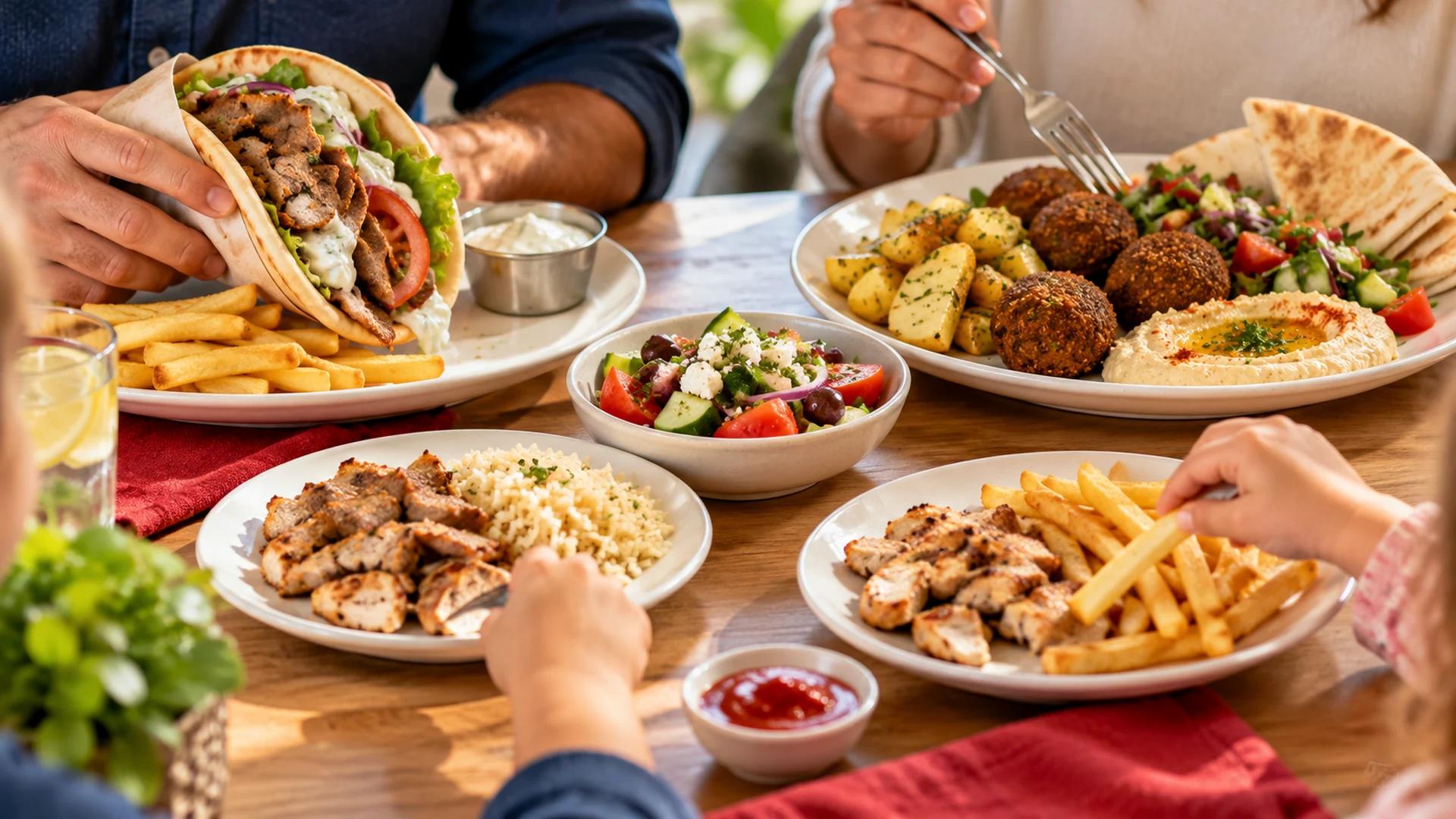
Plan a family meal by giving each adult and child a clear main choice before adding shared food. The Fat Lamb Orlando’s website lists kids’ lamb and chicken gyro meat with rice or fries, alongside adult sandwiches and platters. Lake Mary families can compare those options before visiting the restaurant in Altamonte Springs.
Choosing a Greek restaurant near Lake Mary for a family meal often means balancing familiar foods with different appetites. One person may want a gyro, another wants falafel, and a child may prefer chicken with rice. The meal becomes easier to plan when you begin with those real preferences. Everyone does not need to choose the same dish to enjoy eating together.
The Fat Lamb Orlando menu includes a kids’ section and a broader selection of adult meals. This guide uses the listed choices to show how a family can build an order. It does not assume that every child enjoys the same flavors or that a menu proves particular facilities. The restaurant’s actual location is 851 S State Rd 434 in Altamonte Springs.
Start With Each Family Member’s Familiar Foods
Begin with the foods each person already wants to eat. A child who enjoys chicken and rice can start with those listed choices. An adult who wants lamb can compare the gyro and plate options. Another diner can look at falafel or a salad-based order. Naming those preferences gives you a short path through the menu instead of asking everyone to consider every category at once while deciding dinner.
Familiar does not have to mean identical to a meal at home. The main ingredient or format can provide the starting point. Someone who enjoys sandwiches may feel comfortable reading the gyro listings. Someone who prefers separate food on a plate may want a platter. A child may recognize rice or fries even when another part of the meal is new. Use that familiarity to guide the choice without promising a particular reaction.
Ask about appetite separately from the main ingredient. Two children who both want chicken may still want different amounts or sides. Adults can differ in the same way. A kids’ menu offers a useful category, but it does not establish the right portion for every child. Read the current options and choose according to the people eating. You can ask the restaurant about a specific item when the listing leaves an important question open.
Keep the first round of decisions small. Choose the main for each person, then review the included sides, and leave shared extras until the end. This sequence can help a family that tends to discuss several possible dishes at once. You do not need to create a rigid plan. You simply give each person a clear meal before deciding whether a starter, drink, or other addition would improve the order.
Read the Kids’ Menu as a Real Starting Point
The website’s kids’ section lists lamb gyro meat and chicken gyro meat with a choice of rice or fries. Read the full current listing before ordering so that you know which item and side you have chosen. Those options give the family a concrete starting point. They do not mean that every child must choose from that section or that another listed dish cannot suit a particular preference.
The main and side can help you separate 2 different choices. A child may want chicken but prefer fries to rice, while another wants lamb with rice. Keep both details with the order. It is easy to remember only the main when several family members speak at once. Naming the side avoids a later question about whether everyone had agreed to the same combination simply because the main ingredient matched.
Read any bread and wrap information with the actual item you want. The website mentions bread and wrap options around the kids’ section, but a general note does not settle every current ordering choice. Ask the restaurant about the specific combination if it matters. Choose from confirmed options rather than assuming that every kind of bread can replace every other part of a meal. The final order should use the listing you actually intend to buy.
Keep expectations tied to the menu. A kids’ meal does not prove an age rule, a special discount, a free drink, or a serving amount for every appetite unless the current listing states it. Check the details that matter to your family. This makes the order clearer without adding unnecessary complexity. You can then spend more attention on helping each child choose food they want rather than interpreting a broad category label.
Choose Adult Meals Without Repeating Every Side
Adult mains can provide different meal formats while the children keep familiar choices. The menu includes gyro sandwiches, gyro platters, kebabs, falafel dishes, salads, and burgers. Read the included components before adding extra rice, fries, pita, or salad for the table. Some mains already bring several of those parts together. Reviewing the complete family order helps you choose useful additions instead of repeating the same side automatically under several items.
A gyro platter can suit an adult who wants meat with rice, salad, pita, and tzatziki. A gyro sandwich can suit someone who wants the main inside bread. You can choose different formats without making the meal harder to organize. Keep the person’s name with the main and any personal extras. That makes it easier to review the order and leaves shared food as a separate decision for the family.
A meat-free adult can choose a falafel platter or another suitable listed main while children choose chicken or lamb. Give that adult a meal of their own rather than assuming that shared salad and bread will replace a main. Read the ingredients, including cheese and yogurt where relevant, and ask about any specific needs. Different eating preferences can coexist when each person has a clear choice from the start.
If adults want to share the kebab platter for 2, compare it separately from the children’s meals. The platter’s name does not establish a complete family package. Children can still have their own listed choices, and you can review any shared starters afterward. This approach avoids assuming that one shared adult dish will cover every person at the table. Let the actual order reflect how many people will eat and what each person wants.
Introduce One New Flavor Alongside a Familiar Choice
A familiar main can leave room for one optional new taste. A family might choose chicken and rice for a child, then offer the chance to try a little of a shared dip if the ingredients suit them. Another child may prefer to keep the meal entirely familiar. The menu can support either plan. You do not need to make trying new food a condition of enjoying dinner together.
Hummus and tzatziki give the family different flavors to discuss. The menu describes hummus with chickpeas, olive oil, lemon juice, and roasted red pepper. Tzatziki uses yogurt, cucumber, dill, and olive oil. Those descriptions give you simple words for explaining the choice. Check relevant ingredients with the restaurant instead of assuming that a dip is suitable for every family member because another person at the table enjoys it.
Keep the new item separate from the food a child already chose when that arrangement matters, and ask the restaurant whether it can provide the requested presentation. A meal listing alone does not guarantee every serving preference. You can still plan the experience around a familiar main and an optional taste from a shared dish. The family can decide what feels comfortable without changing the entire order around one experiment.
Adults can use the same approach. Someone who has never tried falafel might choose a familiar main and compare a shared falafel appetizer, while another person orders falafel as their main. The example gives everyone room to explore at their own pace. A family meal does not need a long tasting menu to offer variety. One carefully chosen extra can provide a new flavor without taking attention away from the food each person wanted.
Plan a Family Order With Different Appetites
A hypothetical family order should begin with the actual people, not with a fixed idea of what a family meal must contain. For example, one adult could choose a chicken gyro platter, another a falafel burger, and 2 children could choose the listed kids’ mains with their preferred sides. This example shows different formats within one order. It does not promise a package, a fixed total, or a suitable serving amount for every household.
Compare the sides before adding a shared extra. The adult platter lists several components, while a sandwich or burger has its own description. The children may already have rice or fries. You may find that the order has enough variety without another side. If the family still wants a dip or starter, choose one that people actually want to share. The extra should serve a clear purpose beyond making the list of dishes longer.
An older child or another family member may prefer an adult menu item. Read the specific listing and current choices instead of assuming that everyone in a particular age group must eat the same way. This guide does not assign ages to portions or tell you how much any child should eat. A parent or caregiver can use the menu as a practical aid and ask the restaurant about quantities when that information affects the decision.
Review the order by person before payment. Make sure every diner has a main, the side choices are clear, and shared items appear only as often as intended. If someone changes their mind, update the whole item rather than adding a second possible choice and leaving both on the list. A final review can keep the meal organized without asking the family to remember every change made during the conversation.
Check Changes With the Restaurant Before Relying on Them
Ask about a requested change before making it the reason you choose a dish. A child may want a particular side, an adult may prefer a sauce handled differently, or a family member may need information about an ingredient. The restaurant can explain what it can offer for the actual item. A short menu description cannot confirm every modification, and a general cuisine label does not answer a specific ingredient question.
Keep the request precise. Name the main and explain the exact change or detail you need. Asking whether the chicken meal can use a listed side gives the restaurant a clearer question than asking for a child-friendly meal without describing what that means to your family. Different children enjoy different foods. Clear language helps the restaurant respond to the order itself rather than an assumption about every young diner.
Use direct communication when the answer determines whether someone can eat the meal. This guide does not certify ingredients, substitutions, or kitchen handling. Ask the restaurant about the complete dish and your actual needs. If a requested change is unavailable, compare another listed option that still provides a meal the person wants. Removing several components from an unsuitable dish may leave a less useful choice than starting with a better-fitting main.
If you order online, read the options in the current ordering menu and review the chosen item carefully. A note field does not guarantee that every request is available. Confirm important questions before submitting the order. You can keep ordinary preferences simple while giving the restaurant enough detail to answer a request that matters to your family. The final choice should reflect that confirmed information.
Keep the Family Meal Within Your Planned Spend
Compare the full family order with your spending plan before adding optional extras. The cost depends on the mains, sides, drinks, and choices you select. A kids’ section or shared platter label does not establish the total by itself. Use current ordering information and the final screen to see the amount. This gives you a clearer basis for choosing than a saved menu image or an old price quoted elsewhere.
Begin with the meals that make the order work for each person. Then look at the extras the family wants most. If you want to reduce the total, discuss an optional starter or duplicate side before removing a main someone chose. A smaller order should still give each diner a clear meal. The aim is to match the food and the budget, rather than keeping a long list of additions while cutting the useful core.
Check whether different family members have added the same shared item. One extra dip for the table is different from a separate dip with each meal. You may want both, but make that choice deliberately. The same applies to sides that already come with a platter or kids’ meal. Knowing which items belong to individuals and which belong to the family makes the total easier to understand and review.
Read the final amount, including taxes and any displayed charges, before paying. If the total differs from your plan, compare the actual choices and options. You do not need to calculate value from one dish’s starting price alone. A meal that includes the food your family wants can be a clearer choice than an apparently cheaper combination that needs several additions. Keep the complete order in view when deciding.
Make the Journey From Lake Mary Part of the Plan
Families traveling from Lake Mary should use The Fat Lamb Orlando’s actual Altamonte Springs address. The restaurant publishes 851 S State Rd 434, Altamonte Springs, FL 32714. Its Lake Mary-area page introduces an option for nearby diners, but it does not establish a Lake Mary branch. Keep the address with the meal plan so that the family travels to the correct place rather than relying on the city in a search phrase.
Check directions from your own starting point and consider the rest of the outing. A family leaving home may need a different route from one finishing another activity. This guide does not assign one travel time to every Lake Mary household. Use current map information for the actual journey. Decide whether you want to eat at the restaurant or make another confirmed plan before fitting the meal between other commitments.
If a facility or arrangement affects your visit, ask the restaurant directly. A kids’ menu does not prove high-chair availability, stroller space, a play area, or a particular seating layout. The contact page lists 407-203-3113 for questions. Confirm the detail you need and review current opening information before leaving. A clear answer can help you choose a suitable plan without depending on an assumption about restaurant facilities.
Once the practical details are clear, return to the food choices. Give each person a main they want, check the included sides, and choose any shared dish for a specific reason. The family can enjoy different formats at the same meal. A thoughtful order does not require every diner to try something new or finish the same plate. It simply gives everyone a clear place in the dinner plan.
Family Menu Questions Before Your Visit
What kids’ gyro choices appear on the website?
The website lists kids’ lamb gyro meat and chicken gyro meat with a choice of rice or fries. Read the current item and options before ordering.
Does every child need the same side?
No, the listed choice lets you plan different sides for different meals where the current ordering options allow it. Keep each child’s main and side together when checking the order.
Can adults choose a falafel main while children choose chicken?
Yes, the menu includes separate falafel and chicken choices. Each family member can choose a listed meal, with any ingredient or modification questions confirmed directly with the restaurant.
Does a kids’ menu prove the restaurant has high chairs?
No, a food menu does not confirm high chairs or other child facilities. Contact the restaurant if a particular facility or seating arrangement affects your visit.
Where should Lake Mary families travel to visit The Fat Lamb Orlando?
Use 851 S State Rd 434, Altamonte Springs, FL 32714. Check current directions from your own starting point before planning the outing.
Build Your Family’s Next Meal From the Menu
Start with familiar foods and give each person a clear choice. Compare the kids’ listings with the adult mains, then add shared items only when the family wants them. Confirm any important request and the practical details of your visit. You can then choose a meal that fits your household’s preferences and plans without making every plate look the same.