 Home



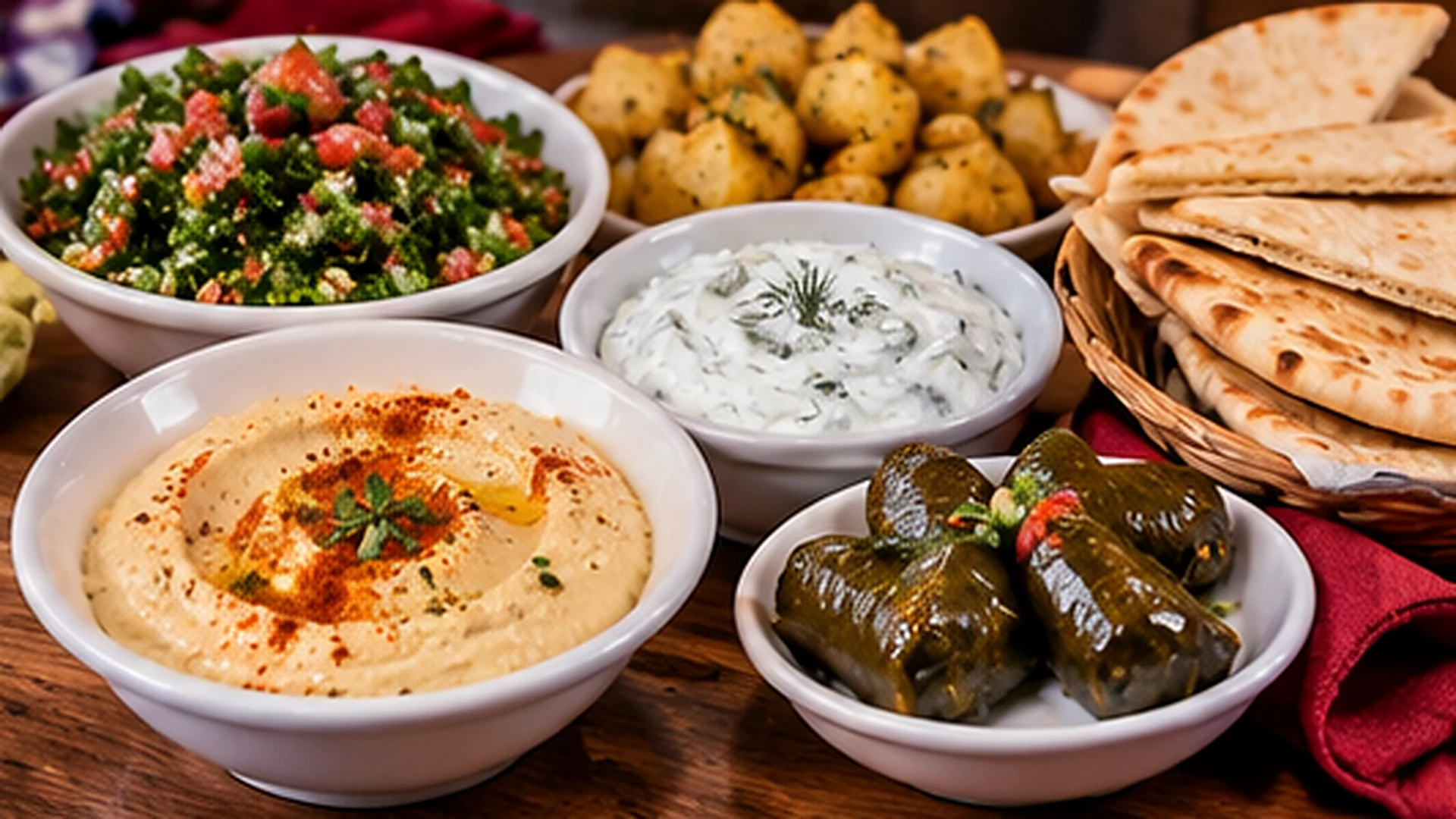
Choose a dip or side by looking at what your main already includes and what you want to add. Hummus offers a chickpea-based dip, tzatziki offers a yogurt-and-cucumber option, and rice, salads, potatoes, and pita give the meal different parts. The Fat Lamb Orlando lists these choices at its Altamonte Springs location for diners exploring food near Longwood.
Mediterranean food near Longwood offers more choices than the main dish alone. Once you know you want a gyro, kebab plate, or falafel meal, the next question is what should go beside it. A useful extra adds a flavor, texture, or amount you actually want. You do not need to add every familiar side to make the order feel complete.
When you look for the best Mediterranean food for your own taste, useful pairings can matter as much as the main. Look at the ingredients and included sides rather than assuming every restaurant or dish will suit you in the same way.
The Fat Lamb Orlando menu includes hummus, tzatziki, rice, fries, lemon potatoes, pita, salads, and other additions. Some mains already combine several of those items. This guide explains how to compare their roles before adding more. The aim is a meal with clear choices, whether you want a single sandwich, a plate with separate parts, or a starter to share with another diner.
Give Each Dip and Side a Clear Job in the Meal
Each extra should add something specific to the food you already chose. A dip can give bread another flavor, a salad can add a separate vegetable combination, and a rice or potato side can give the main another component. Those jobs differ. Start by naming the one you want, rather than treating every side as a small item that belongs with every meal regardless of its existing ingredients.
Read the main’s description before looking at extras. The gyro platter listings include rice, salad, pita, and tzatziki. The falafel platter lists hummus, lemon potatoes, and pita. These combinations already bring together several roles on the plate. You may want an extra, but the decision should begin with that complete picture. Otherwise, you can easily order more of a component you had not noticed the main already includes.
Think about contrast as well as quantity. A sandwich with meat, sauce, and bread may lead you toward a separate vegetable dish. A plate with rice and meat may lead you toward a dip only if you want more sauce or bread alongside it. You do not need a formal rule for the pairing. Use the listed ingredients and your own taste to decide which additional part would make the meal more enjoyable.
Give shared extras a clear role too. A dip for 2 people differs from an additional sauce one person wants with their own main. Ask who will eat the item before choosing it. This can help you decide whether to order one shared starter, separate sides, or no extras at all. The meal becomes easier to understand when each dish has a purpose and the people eating it actually want it.
Choose Hummus for a Chickpea-Based Start
Hummus provides a chickpea-based dip that can lead a starter or appear within a listed main. The menu describes The Fat Lamb Orlando’s hummus with olive oil, lemon juice, and roasted red pepper. Those ingredients distinguish it from a yogurt-based sauce. Choose hummus when you want that type of dip, then read the rest of the order to see whether it already appears with the main you selected.
A separate hummus starter can provide a common dish for people who have chosen different mains. One diner may want chicken while another chooses falafel or a salad. Sharing a dip gives them a shared item without requiring matching main dishes. Ask about the current accompaniment and amount if those details matter. A short appetizer listing should not become an assumed serving plan for every possible number of people at the table.
Hummus also appears in the falafel platter description and the hummus sandwich listing. If you choose either of those, think about whether another order adds variety or simply more hummus. You may enjoy that repetition, which is a clear preference in its own right. If you want contrast instead, compare another listed side or leave the order as it is. The purpose is to make the choice deliberate, not to ban favorite ingredients.
Read the specific listing rather than treating hummus as a plain ingredient with one universal recipe. Restaurants can use different descriptions and combinations. This menu names roasted red pepper in its hummus description, which gives you a useful detail to consider. If another ingredient affects your decision, ask the restaurant about the actual dish. You can choose from verified menu information without guessing from a general recipe or another restaurant’s version of the dip.
Choose Tzatziki for a Yogurt and Cucumber Contrast
Tzatziki offers a yogurt-based choice that differs from hummus. The restaurant describes yogurt, cucumber, dill, and olive oil in its listing. This gives you a clear way to choose between the 2 dips. Someone who wants a yogurt-and-cucumber flavor may prefer tzatziki, while someone who wants chickpeas may prefer hummus. You can make that comparison without calling one sauce the correct partner for every main on the menu.
The gyro platter descriptions already include tzatziki, so read the main before adding another portion. If you want more sauce, an extra can make sense. If you mainly wanted to ensure the plate includes it, the listing may already answer that question. Keeping those two reasons separate can prevent an accidental duplicate. The same review helps when 2 people order similar platters and consider adding a shared dip on top.
Sauce affects the way you combine the plate. You might want a little with meat and bread, or you might prefer to taste other components on their own first. A platter gives you room to choose those combinations as you eat. A sandwich places its listed sauce with the filling from the start. If sauce presentation matters, ask about the specific item rather than assuming that every format offers the same arrangement.
Tzatziki contains yogurt according to the menu, so a meat-free label does not make it dairy-free. Keep that ingredient in mind if it affects your choice. You can compare another listed dip, but ask the restaurant about the complete meal and any particular requirements. Choosing a different sauce may not answer every ingredient question in the rest of the order. The useful decision concerns the actual dish you plan to eat.
Decide When Rice or Lemon Potatoes Make Sense
Rice and lemon potatoes provide different side choices, so choose the one you want rather than adding both automatically. The menu includes rice with several meat platters and lemon potatoes with the falafel platter. Those existing combinations provide a starting point. Read the current main description and decide whether its included side suits you. If you want a different side, ask the restaurant which changes it offers for that item.
Rice can give a meat plate another component that you can combine a little at a time. You can eat some with the main and choose a separate bite of salad afterward. Someone who prefers food arranged in parts may enjoy that flexibility. This describes the format, not a claim about nutritional effects or a rule that rice must accompany every Mediterranean main. A sandwich can remain a complete choice for the meal you want without it.
Lemon potatoes offer another route when you want a potato side instead of more bread or rice. Their place in the falafel platter helps create a different listed combination from the gyro plates. Do not assume that all platters use the same sides simply because they share the category name. Comparing the included components can show that you already have a side you wanted and do not need to add another order separately.
Choose an extra rice or potato side for a specific person or shared purpose. You might want more of a favorite part, or another diner may want to taste that side alongside a different main. Both are clear reasons. Adding the item just because it appears on the menu is less useful. Review the complete amount of food and the current order total before deciding whether the extra improves the meal you planned.
Use Salad to Add a Different Texture
A salad can add a separate vegetable combination to a main built around meat, bread, or rice. The menu’s Greek and Sheppard salads offer different bases, so compare their ingredients instead of treating salad as one identical choice. The Greek salad lists romaine with vegetables, feta, olives, and pepperoncini. The Sheppard salad centers on chopped cucumber, tomato, onion, parsley, and feta. These descriptions give you a practical reason to prefer one.
Choose a leafy base when that is what you want, or a chopped vegetable combination when that sounds more appealing. You do not need to make a health promise to explain either choice. The vegetables change the kind of bite you have beside the main. Read the dressing and cheese information as part of the dish. A salad name alone does not tell you whether every ingredient fits a particular preference or requirement.
Check whether your platter already lists salad before ordering another one. An included salad may meet the role you had in mind, while a separate full salad may provide an additional dish you specifically want. Those are different choices. If another person plans to share the salad, include that in the decision. Avoid assuming that every small salad accompanying a main serves the same purpose as a separate shared order.
A salad can also become the center of the order rather than a side. The menu lists additions, including falafel and several meat or fish choices. Read the current options if you want that format. A salad with an addition differs from a main platter with a salad beside it. Deciding which role you want helps you choose the right listing and avoid building the same meal through several unnecessary separate items.
Compare Pita and Fries With What Your Main Includes
Pita and fries play different roles, so compare them with the main you have chosen. Pita appears in gyro sandwiches and several platter descriptions. Fries appear as a side and within listed combo choices. A gyro sandwich already gives bread a central place in the meal. A platter may include pita as one component among several. Read the listing before deciding whether you want another order of bread or a different side.
Extra pita can make sense if you want more bread for a dip or prefer additional bread with your plate. Ask about the current side listing when the amount matters. If you have ordered a dip to share, check what comes with that dip rather than guessing. The main point is to connect the bread to the food you plan to eat with it. That gives the extra a clear purpose in the order.
Fries can suit a diner who wants that side with a sandwich. Compare the standalone side with any relevant combo before choosing. A combo may include another component, such as a drink, that changes the total purchase. Do not compare one starting price with another without reading the included items. You may prefer separate items or a combo depending on what you actually want, and the current menu provides the relevant options.
The same order can include bread and fries if you want both. You do not need to avoid that combination because of a rule invented by a food guide. However, check whether the complete meal still matches your appetite and plans. Choosing both deliberately is different from adding them because you did not notice the main’s contents. A clear order lets you enjoy the foods you chose without collecting extras by accident.
Build Pairings Around Four Different Main Dishes
A lamb gyro sandwich gives you a bread-based main with its listed meat, vegetables, and sauce. You could leave that as the focus or compare a side that gives you something different. A separate salad offers another vegetable format, while fries offer a different side choice. Choose according to your appetite and preference. The example explains the role of an extra without declaring a single pairing that every lamb gyro diner should order.
A chicken kebab plate already lists rice and salad, so start by considering that complete combination. If you want a dip, decide whether it adds a flavor or amount you want beyond the included parts. Extra rice may be useful if you specifically want more rice, but it does not create a different kind of side. Read the current dish and any available extras together rather than building the whole meal from separate assumptions.
A falafel platter already combines falafel, hummus, lemon potatoes, and pita in its description. This means another hummus order or potato side should serve a clear purpose. You might want a different vegetable dish, another dip, or nothing else. A listed main can provide enough variety on its own. The useful comparison is whether the addition changes the meal in a way you want, not whether an extra always makes dinner more complete.
A Greek salad with a listed addition creates another starting point. Choose the salad base and addition first, then consider whether you want bread or a separate starter. If the main already provides the ingredients you hoped to eat, keep the order simple. If you want a dip alongside it, choose the one whose flavor and ingredients appeal to you. These pairing examples are suggestions, not named packages, fixed prices, or promises about portion sizes.
Order Extras Only After Checking the Whole Plate
Review every included component before adding extras to the final order. Count the mains first, then note which dishes already include rice, salad, pita, hummus, or tzatziki. You can then choose additions for a specific reason. This approach works for one diner as well as for a pair. It avoids the small duplicates that can build up when several people choose mains independently and then add the same shared item.
Use the current ordering menu to check available choices and the final total. Prices, options, taxes, and displayed charges depend on the order you place. This guide explains how to think about the food, not what every combination will cost. If the total moves beyond your plan, review the extras with the least clear purpose before removing a main that someone deliberately chose.
Longwood-area diners can explore the restaurant’s Longwood page, then use the actual address for the visit. The Fat Lamb Orlando publishes 851 S State Rd 434, Altamonte Springs, FL 32714. The contact page lists 407-203-3113 for specific questions. Keep that location clear when checking directions from home, work, or another stop rather than assuming the restaurant has a separate Longwood branch.
Once you know the main and the parts around it, finish with the extra that has the clearest job. Choose hummus for the chickpea-based dip you want, tzatziki for a yogurt-and-cucumber option, or another listed side for a different component. You can also choose no extra. A well-planned meal does not need every category on the menu. It needs the combination you want to enjoy at that particular lunch or dinner.
Questions About Mediterranean Dips and Side Orders
Are hummus and tzatziki the same kind of dip?
No, the menu describes hummus with chickpeas and tzatziki with yogurt and cucumber. Read the individual ingredients to choose the flavor and type of dip you want.
Do I need extra pita with every meal?
No, several menu items already include pita or another bread. Check the main and any dip you choose before adding more, and ask about the current side listing if quantity matters.
Does a platter already include rice or salad?
Some do. The gyro platter listings include rice and salad, while the falafel platter lists different sides. Read the specific platter rather than assuming one arrangement applies to every dish.
Can I order dips without choosing a meat main?
Yes, the menu lists dips separately among appetizers and offers meat-free mains too. Check the complete ingredients and any particular needs with the restaurant before ordering.
Where is the restaurant for Longwood-area diners?
The published address is 851 S State Rd 434, Altamonte Springs, FL 32714. Use that location when planning your route from the Longwood area.
Choose the Side That Completes Your Main
Start with the dish you want most and read its included parts. Then add a dip or side only when it supplies a flavor, texture, or amount you actually want. The Fat Lamb Orlando menu gives you several ways to make that choice, whether you prefer a sandwich, a platter, or a salad-based meal. A clear pairing begins with the whole order in view.