 Home



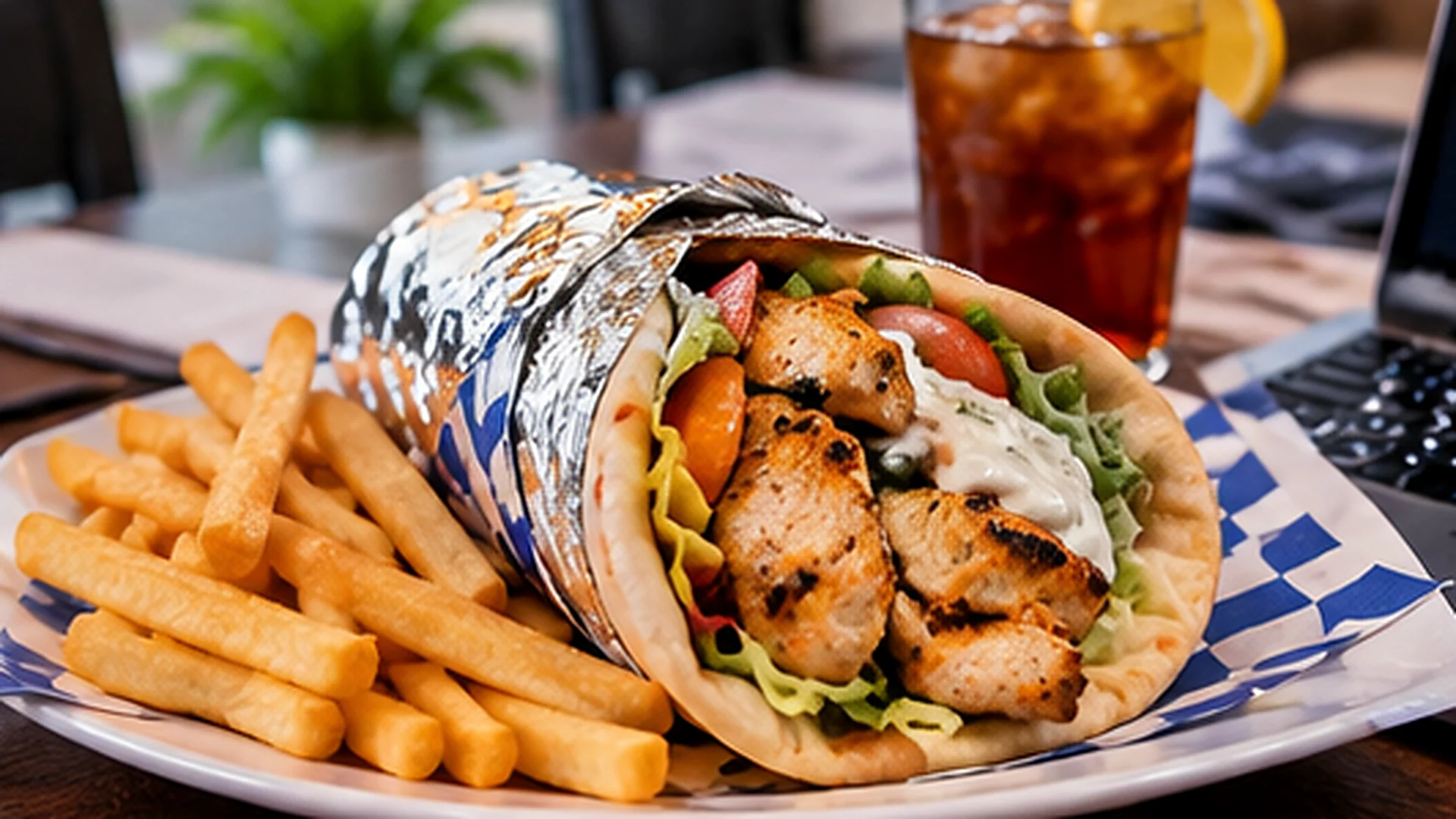
Plan lunch by choosing your meal before your break, checking the restaurant’s current ordering details, and allowing time for the whole trip. The Fat Lamb Orlando lists lunch gyros and platters at its Altamonte Springs location. Compare the included sides and drinks so that the meal fits your appetite, schedule, and spending plan.
Looking at restaurants near Altamonte Springs FL during a lunch break can create more choices than you need. You may want a meal you can enjoy without spending the whole break deciding what to order. A simple plan helps. Choose the format, confirm the main, and check the time around the food instead of judging the restaurant from a single menu picture.
The Fat Lamb Orlando menu includes a weekday lunch section as well as sandwiches, salads, and platters. You can use those listings to plan a meal for yourself or collect a small coworker order. The guide below focuses on the decisions you control. It does not promise a particular preparation time or replace the current information supplied with your order.
Plan the Full Lunch Break Before Choosing Your Food
A lunch plan needs time for deciding, ordering, traveling, collecting or receiving the meal, and eating. The menu is only one part of that plan. Start with the amount of time you actually have and the place where you want to eat. A nearby address can help, but it does not establish the total time your order will take. Use current directions and restaurant information for those practical details.
Choose your main before the break begins if you already know where you want to order. You can compare a gyro sandwich with a lunch platter while you still have time to read. This leaves fewer decisions for the moment when you feel hungry and need to leave. Planning early does not lock you into an unavailable dish. It gives you a preferred choice and a simple alternative if the menu changes.
Keep one alternative in the same broad format. If you want a chicken sandwich, another listed sandwich may provide a clearer backup than restarting with every platter and salad. If you want a plate with rice, compare the available lunch plates first. This keeps the decision focused on the meal you intended. The alternative should suit your appetite and preferences, rather than simply being the next item in a long menu.
Save the exact meal choice with your lunch plan if you expect a busy morning. A short note with the item name and side can prevent another round of menu browsing when your break begins.
Confirm practical details before relying on a tight schedule. If you need a specific collection time, ask the restaurant what it can offer or review the timing shown during ordering. A general phrase such as fast food does not promise a fixed wait. Leave room in your plan for the information you receive. The point of preparing ahead is to make a realistic lunch choice, not to create a schedule the restaurant has never agreed to.
Read the Lunch Section Before Comparing Individual Items
The website labels its lunch section for Monday through Friday, 11 am to 4 pm. Treat that as the published menu window and confirm the current listing when ordering. Lunch items can have different descriptions from similar dinner items, so the category matters. Read the full name and included components rather than choosing from a familiar word such as gyro and assuming every version has the same sides or amount.
The lunch section lists chicken and lamb gyro combos as well as chicken and lamb gyro platters. The combo descriptions mention a side and fountain beverage. The platter descriptions mention rice, salad, pita, and tzatziki with the main. Those differences provide a useful way to compare. You can decide whether you want a filled pita with a drink option or a plate where the meat and sides remain separate.
Check the current order options before making the lunch window the only reason you choose a dish. Availability and menu organization can change, and the linked ordering page may present items differently from the main website. Choose the named listing you can actually order. If you are unsure which version you are seeing, ask the restaurant. A clear item name helps you avoid confusing a lunch plate with another meal that uses similar ingredients.
A lunch category is not automatically the right choice for every diner. You may prefer another listed sandwich, salad, or meat-free main. Use the lunch section as a starting point rather than a rule. The best fit depends on the food you want, the included items, and the actual total. You can make a practical choice without assuming that a special menu label always delivers the lowest cost or the largest meal.
Choose a Sandwich When You Want One Main Decision
A sandwich can simplify lunch because the main ingredients come together inside bread. The lamb and chicken gyro descriptions list pita, lettuce, tomato, and yogurt sauce. Choose the meat you prefer, read the included ingredients, and then decide whether a side or combo adds anything you want. You can focus on one main item rather than choosing several separate components just to put lunch together.
A chicken gyro gives someone who enjoys chicken a direct option in a familiar format. A lamb gyro gives a different meat choice without changing the general sandwich approach. Compare the actual listings rather than assuming that chicken and lamb items share every option or price. Your lunch decision becomes easier when you separate the meat choice from the question of whether to add a drink, fries, or another available side.
If a sandwich is enough for the meal you want, you do not need to make it a combo. If you want a side and drink, read the complete combo listing before choosing those items separately. This avoids comparing a standalone sandwich with a larger order as though they include the same food. The useful decision is which complete combination fits you, not which starting price appears lower on the first screen.
A meat-free diner can also begin with the sandwich category. Read options such as the falafel burger and hummus sandwich, including bread, fillings, and sauce. Those listings give the diner an actual main instead of a collection of shared sides. If you collect several coworkers’ choices, keep the exact item name with each person’s request. Clear names help distinguish a falafel burger from a different falafel dish when you review the order.
Choose a Platter When You Want the Meal in Parts
A platter suits a diner who wants the main and sides as separate parts of lunch. The website’s gyro platter descriptions combine the meat with rice, salad, pita, and tzatziki. You can choose how to bring those components together as you eat. This is a practical format for someone who enjoys a seated meal with several textures rather than a main where every bite includes the same bread-and-filling arrangement.
Read the listing before adding extra rice, salad, or sauce. The platter may already include the food you were about to order separately. An extra can still make sense when you genuinely want more of a particular item or plan to share it. Make that purpose clear. Otherwise, you may increase the amount and final cost without improving the meal you had in mind for your lunch break.
Compare the chicken and lamb platter entries by the main ingredient you prefer. You do not need to assume that every plate has the same portion or that one meat provides a particular nutrition benefit. The listed contents give you enough information for a useful first comparison. If a specific quantity or ingredient determines your choice, confirm the current item with the restaurant before ordering. A name alone cannot answer every detail.
Think about where you will set out the meal. A platter gives you several components to manage, so choose a place where you can sit and eat comfortably. If you have little room for lunch, that may affect the format you want. This does not mean one format belongs only at work or only at home. It means the practical setting should help you choose the meal you can enjoy during the break you have.
Use Sides and Additions With a Clear Purpose
Choose an extra side because it adds food you want, not because lunch feels incomplete without one. The menu lists rice, fries, lemon potatoes, pita, tzatziki, and feta among the side and extra choices. Compare those items with your main’s included parts. A sandwich and a platter may need different additions, while either may suit your appetite without anything else. The full description should guide the next choice.
A side can add a different texture or give you more of a favorite component. Fries offer a different eating experience from rice, while a dip provides another way to enjoy bread. You can make that choice according to preference without treating lunch as a strict formula. If your main already includes several components, choose the extra that has the clearest purpose. The goal is a meal you want to eat, not a longer order.
For a coworker lunch, separate personal extras from shared items. One person may want additional sauce for their own meal, while the group may want a starter to divide. Write those requests clearly when collecting the order. A shared dip should not appear once under every person’s name unless that is what everyone wants. Clear ownership makes the final item count easier to check before placing the order.
Avoid assuming that every change is available. The ordering menu may list specific additions and choices, while other requests require a direct question. Ask about the exact ingredient or option that matters to you. If a requested change is unavailable, choose another listed item that still works for lunch. This keeps the meal practical and avoids depending on a note or assumption that the restaurant has not confirmed.
Collect a Small Coworker Order Without Confusion
A small coworker order works best when each person gives you the exact main, chosen options, and any personal extras. Collect those details before opening the final order screen. You can use a simple message or note that keeps each person’s name beside their meal. This is a practical way to avoid mixing up chicken and lamb choices or losing a request while the group discusses several possible restaurants.
Ask everyone to choose their main from the same current menu. One person may look at a saved image while another uses a different platform, which can lead to mismatched names or expectations. Share the linked online ordering menu and ask for the listing each person wants. A common source helps you compare options accurately without needing to interpret several versions of the same dish.
Review shared items only after collecting the individual mains. This gives every person a real meal before the group chooses a dip, side, or dessert. A meat-free coworker should not depend on whatever food remains around the group’s chicken or lamb dishes. Ask whether that person wants a listed falafel, sandwich, or salad option. Shared food can add variety, but it should not replace an individual’s clear meal choice by accident.
Read the complete order back before paying, especially when several people have similar items. Check the number of mains, the meat choices, and any separate sides or drinks. Share the order confirmation and current timing information with the person responsible for collection. A normal menu order does not establish a catering package, a large-group capacity, or a promised turnaround. Contact the restaurant if the size or requirements go beyond an ordinary small order.
Compare Lunch Value Using the Final Order
Judge lunch value from the complete meal you plan to buy. A low starting price does not tell you the total after you add a drink, side, or other option. A platter can include several components that a sandwich lists separately. Compare the actual combinations, using current information, so that you choose the food you want within your spending plan rather than reacting to one isolated number.
Begin with the mains and then review the extras one at a time. If you want to reduce the total, remove an addition that matters least to you. Keep the part of lunch that makes the meal work. For a coworker order, make shared costs clear before payment. People can choose different formats and still understand the bill when personal items and common extras have separate purposes.
Check the final order screen for item choices, taxes, and any displayed charges. The total for your actual order matters more than a price quoted in an old article or menu image. This guide deliberately leaves current prices to the ordering source. If a charge or option looks different from your expectation, review the named items and ask about the specific issue before completing the purchase.
Value also includes whether you will enjoy the meal during the lunch break you have. A dish you do not want does not become a better lunch simply because the starting price looks attractive. Choose the format, main, and useful extras first, then compare the total with your limit. This gives you a clearer way to decide than repeatedly switching between categories without knowing which complete meal you are comparing.
Fit Your Visit Around Altamonte Springs Errands
The Fat Lamb Orlando is at 851 S State Rd 434 in Altamonte Springs. Use the published contact details when planning lunch around work or errands. The brand name includes Orlando, but the actual address determines the trip. Check directions from your starting point and consider where you need to go afterward, rather than assuming that a search for nearby restaurants gives every diner the same practical route.
Decide whether the meal fits before or after the rest of your stops. You may want to finish an errand before collecting food, or you may prefer to eat at the restaurant before returning to work. Choose the sequence that matches the current order information. Avoid attaching a fixed travel or wait time to the plan based only on a city name. Your map and restaurant confirmation provide the relevant details for that day.
If you need a menu detail settled before leaving, call the listed number, 407-203-3113. Keep the question specific, such as whether a named item or ordering option is available. You can also review the restaurant homepage before moving to the menu. The useful information is the address, current listing, and details of your order, rather than assumptions about every restaurant in the broader Altamonte Springs area.
Once you know your main and the practical plan, lunch becomes a smaller decision. You can choose a sandwich, a platter, or another listed option and make the additions that suit you. Coworkers can do the same with their own preferences. A clear order gives you more attention for the break itself, whether you spend it talking with someone, stepping away from work, or enjoying a quiet meal on your own.
Workday Lunch Questions Before You Order
Does the website show a separate lunch section?
Yes, the website labels a weekday lunch section for Monday through Friday, 11 am to 4 pm. Confirm the current item and ordering information when placing your order.
Can a coworker choose a meat-free meal?
Yes, the menu lists choices such as falafel dishes and a hummus sandwich. Read the exact ingredients and options so that the coworker can choose a main that suits them.
Does an online order guarantee a specific ready time?
No, this guide cannot guarantee a ready time. Use the timing information supplied for your actual order, and ask the restaurant before depending on a particular collection schedule.
Should I compare a sandwich price with a full combo price?
Compare the complete meals you actually want instead. Check the sandwich, side, drink, and platter contents so that the total reflects the same type of purchase.
What address should I use for The Fat Lamb Orlando?
Use 851 S State Rd 434, Altamonte Springs, FL 32714. Check current directions from your own starting point when planning the lunch trip.
Choose Lunch Before Your Break Begins
Start with the meal format that fits your appetite and eating space. Read the lunch listing, check what comes with your main, and add only the extras you want. If coworkers will join the order, collect exact choices before paying. A little planning can make your next lunch decision clearer without turning the whole break into another task to manage.