 Home



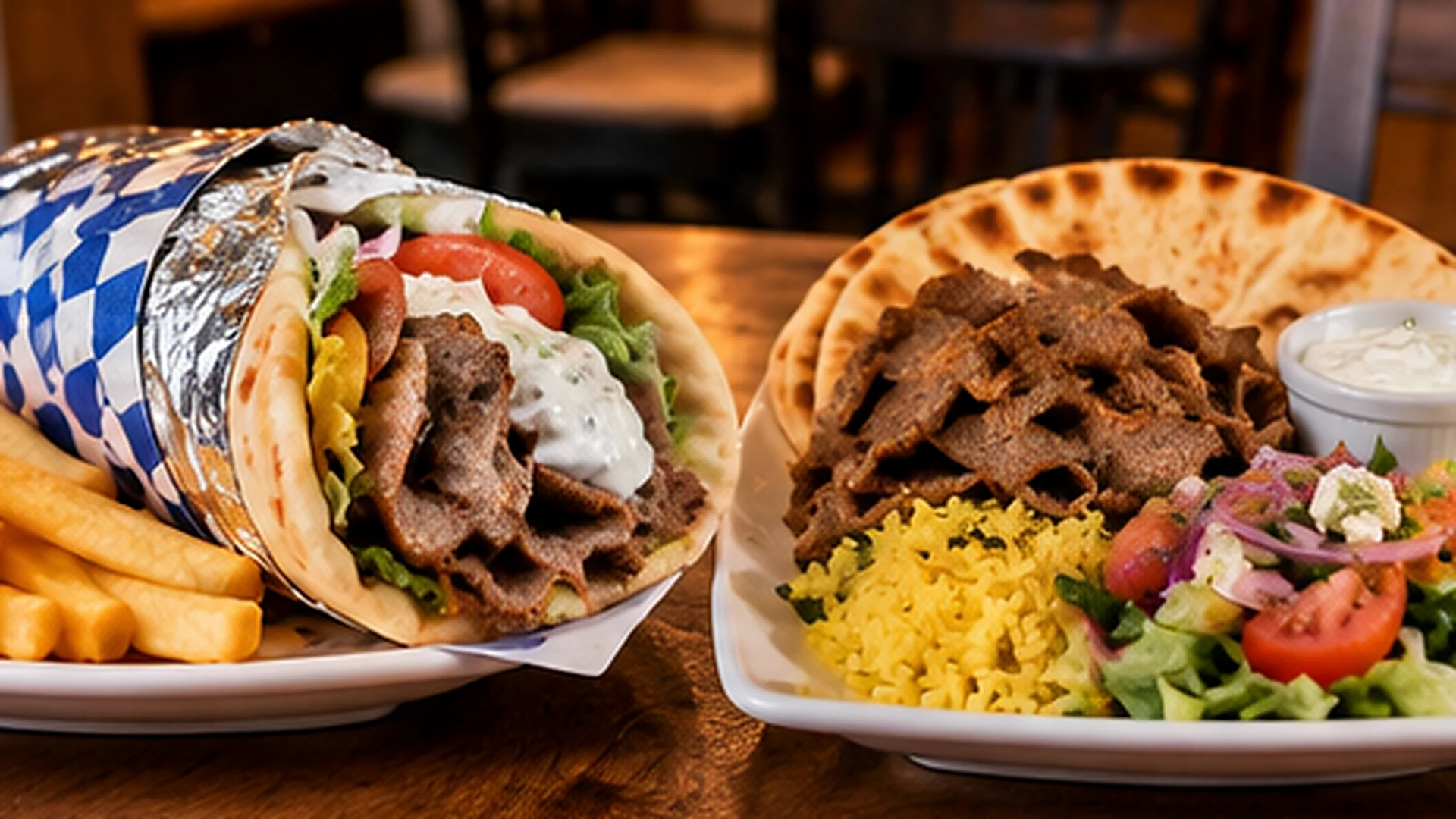
Choose a gyro wrap when you want the meat, vegetables, and sauce together inside pita. Choose a gyro platter when you want the main with separate rice, salad, bread, and sauce. The Fat Lamb Orlando lists lamb and chicken options in Altamonte Springs, so you can compare the format as well as the meat before ordering.
Searching for a gyro restaurant near me can answer where to look, but the next decision happens on the menu. Should you choose the sandwich you can hold or the platter you can eat a few different ways? The difference is useful because the same main ingredient can feel like a different meal when the bread, vegetables, and sides change places.
The Fat Lamb Orlando menu describes both gyro sandwiches and gyro platters. You can compare them by looking at the included food, the way you want to eat, and the complete order you plan to buy. This guide explains those choices without treating one format as the right answer for every person, appetite, or lunch break.
See What Changes When a Gyro Becomes a Platter
A gyro platter changes the arrangement and listed sides of the meal, rather than simply opening a sandwich on a plate. The menu describes the lamb and chicken gyro sandwiches with pita, lettuce, tomato, and yogurt sauce. The platter descriptions include rice, salad, pita, and tzatziki with the main. Read those descriptions side by side so that you compare the food you will actually order instead of just the words sandwich and platter.
In a sandwich, the bread brings the different ingredients into one bite. Meat, vegetables, and sauce share the same small space. That arrangement suits someone who wants a clear main item without choosing a different combination for each forkful. The bread also plays a central role in the meal. If you particularly want a filled pita, a separate plate of similar ingredients may not satisfy that same preference.
A platter gives the parts more independence. You can eat rice with the gyro meat, take a separate bite of salad, or use pita with some sauce. This format lets you change the balance as you eat. A diner who likes to taste the main before adding anything can do that more easily on a plate. The choice concerns the eating experience, not a rule that all gyro diners should follow.
Compare the ingredients before making assumptions about size or value. A platter may list more separate components, but that does not establish what every diner needs. A sandwich with several additions can also become a substantial order. Your appetite and preferred sides matter. Start with the format you want, then read the current listing to decide whether anything else would make the meal more complete for you.
Choose Lamb or Chicken Before Comparing Formats
Choose the meat you want first, then compare that meat across the sandwich and platter listings. The menu includes both lamb gyro and chicken gyro choices. This keeps the comparison clear because you do not accidentally compare a chicken sandwich with a lamb plate and attribute every difference to the format. Once the main ingredient stays the same, the bread, rice, salad, and sauce become easier to assess.
If you already enjoy lamb, compare the lamb gyro sandwich with the lamb gyro platter. The sandwich places the meat with vegetables and sauce in pita. The platter gives the listed sides their own place on the plate. You can decide whether you want bread in most bites or whether you prefer rice and salad alongside the main. Both choices begin with the same broad meat preference but serve it differently.
If you prefer chicken, use the chicken listings in the same way. A chicken gyro sandwich and a chicken gyro platter offer a useful format comparison without requiring you to choose lamb. Read the specific item instead of assuming that every chicken dish is identical. The menu also lists chicken kebabs, which are a separate option. A chicken kebab plate should not become part of a gyro comparison just because both dishes use chicken.
Avoid deciding from unsupported claims about how the kitchen prepares the meat. A menu name does not prove a particular supplier, equipment choice, or marinade schedule. You can make a useful decision from the listed ingredients and meal format. If preparation details matter to you, ask about the exact dish. The restaurant can answer its own menu questions more clearly than a general guide can infer them from the word gyro.
Think About Where You Will Eat Your Gyro
Your eating setting helps determine which gyro format feels practical. A sandwich keeps the main together, while a platter works as a meal with several separate parts. Think about whether you will sit at a table, eat at home, or take a meal back to work. The food should match the space and time you will have, rather than a broad idea that one format always suits a busy day.
A sandwich can appeal when you want one main item that you can hold while seated. You still need a sensible place to eat and any napkins or utensils your order requires. Handheld does not mean that a meal creates no mess or needs no attention. Check the filling, sauce, and sides you choose. The sandwich format simplifies the main, but the rest of the order still affects how you will enjoy it.
A platter can appeal at a desk or table where you can set out the main and sides. You can eat one component at a time instead of keeping several ingredients inside bread. Someone who wants a break from a handheld meal may prefer that arrangement. If you plan to collect the food, review the actual pickup and order details. This article cannot establish how the restaurant packs or separates a particular order.
Choose the format for your own setting, not for an imagined ideal meal. A wrap can work at home, and a platter can work for a workday lunch. The useful distinction is whether you want one assembled main or a plate you can combine as you go. Once that preference is clear, you can spend less time comparing categories and more time checking the specific order that fits your plans.
Match the Format to Your Appetite and Sides
Choose sides after reading what the main already includes. The gyro platter descriptions list rice, salad, pita, and tzatziki. A gyro sandwich has a different combination, and the menu offers combo choices separately. This means the question is not simply whether you feel hungry. It is which food you want as part of that hunger. You might want a sandwich with fries or a plate that already combines rice and salad.
A sandwich alone can suit someone who specifically wants the filled pita and does not want another dish. If you also want fries, rice, or another listed side, include that in the comparison. The added item changes the full meal even though the main stays the same. Read the final order as a whole rather than treating sides as small details that cannot affect your choice of format or total spend.
A platter can suit someone who knows they want separate sides alongside the gyro meat. You do not need to add another portion of rice or salad automatically. First decide whether the listed combination gives you the variety you want. If another person will share a side, confirm that plan before ordering it. An extra should serve a clear preference instead of acting as a default response to a large menu.
Two people can have different appetites even when they choose the same meat. One may want a sandwich, while the other wants a plate with rice and salad. Keep those choices separate. You do not need to order matching formats to have lunch or dinner together. The point of comparing formats is to give each diner a useful choice, not to find a single winning item that everyone must order.
Understand How Sauce and Vegetables Shape Each Bite
Sauce and vegetables change how the gyro tastes with the rest of the meal. The sandwich descriptions list lettuce, tomato, and yogurt sauce with the meat in pita. The platter descriptions include salad and tzatziki as parts of a broader plate. In the sandwich, those elements meet more often in one bite. On the platter, you can choose how much of each element you combine with the main.
Read the sauce description if yogurt or cucumber affects your preference. The menu describes tzatziki with yogurt, cucumber, dill, and olive oil. You do not need to call the sauce a universal feature of every Mediterranean meal to understand its role here. It provides a different element from meat, bread, or rice. If you want to know whether the sandwich sauce and a separate sauce option match exactly, ask the restaurant.
Vegetables also play different roles in the 2 formats. Lettuce and tomato sit within the sandwich, while a salad gives a platter another distinct part. Someone who likes vegetables in each bread-and-meat bite may prefer the sandwich. Someone who wants a separate salad may prefer the plate. Neither choice needs a promise about calories or health benefits. A clear description of the meal is enough to explain the practical difference.
If you want sauce or another ingredient handled differently, ask about the request before depending on it. A preference for less sauce, a separate sauce, or no particular vegetable needs a clear answer from the restaurant. Avoid building the whole meal around a change that the menu does not explicitly offer. If the change is unavailable, another listed dish or format may suit you better without requiring several further adjustments.
Compare a Combo With a Platter as a Complete Order
Compare a combo and a platter by listing every part of each order. A sandwich with fries and a drink is not the same purchase as a sandwich alone. A platter may include rice, salad, pita, and sauce while listing drinks separately. The right comparison depends on the specific menu entry you select. Read the included items first, then compare the final totals for the combinations you actually want.
Suppose you want a gyro sandwich and fries but do not want a drink. Check the listed side and combo options instead of assuming that a combo automatically fits your plan. Now suppose you want rice and salad with the meat. A platter may present that combination more directly. These examples show why the complete order matters. A category name such as combo does not answer every question about value.
Use the current online menu to check available choices and the order screen to review the final amount. Do not compare an old screenshot of a platter with a current sandwich listing from another menu. Different dates or platforms can show different details. Keep the comparison within the options you are choosing today so that your decision reflects the meal you will actually buy.
Review optional additions before you submit the order. An extra dip, additional meat, side, or drink can change the total and the amount of food. If you prefer the platter after adding several sandwich extras, choose the platter. If you still want the filled pita most, keep that format and choose only the additions you need. Value comes from the order meeting your preferences, not from winning an abstract price comparison.
Use Four Everyday Situations to Make the Choice
For a simple lunch built around one main, begin with the gyro sandwich. Choose lamb or chicken, read the listed filling, and decide whether a side matters to you. This suits someone who wants the sandwich itself to be the focus of the meal. It does not promise a short preparation time or tell you how long your lunch break should be. Use the restaurant’s actual order information for those practical details.
For a seated meal where you want separate components, begin with the gyro platter. Rice, salad, pita, and tzatziki give you several ways to enjoy the main. You can eat the meat with rice or use some bread and sauce for another bite. This suits a diner who enjoys variety within one listed meal. You do not need to add a starter to create different tastes on the plate.
For a pair with different preferences, choose one sandwich and one platter if that is what each person wants. Read each listing on its own so that both diners know their included sides. Then decide whether a shared extra adds anything. This approach avoids turning the format discussion into an argument about who chose the larger meal. Each person gets a meal they selected for their own appetite and eating style.
For a meal where you mainly want rice and salad, compare the platter before constructing that order from a sandwich and several additions. The separate additions may still suit you, but make that choice deliberately. If the main goal is a filled pita, reverse the process and start with the sandwich. A clear starting preference prevents you from assembling a more complicated order that moves away from the food you wanted.
Check the Actual Location Behind a Near-Me Result
A near-me search does not replace checking the actual restaurant address. The Fat Lamb Orlando publishes 851 S State Rd 434, Altamonte Springs, FL 32714. Use the contact page to confirm the destination before traveling. Your search may show restaurants across a wider area, so the location that fits your lunch or dinner depends on where you begin and where you plan to go afterward.
The restaurant also has an Orlando gyro page and a Longwood-area page. Those pages help you explore the menu from different local searches. They do not change the published Altamonte Springs address. If you searched for a gyro place near me from work or home, check directions from that exact starting point rather than assuming that a city phrase establishes the nearest location.
Review current opening and ordering information when timing matters. A sandwich is a different format from a platter, but neither format gives this guide a basis to promise a fixed wait. If you need a particular item or change, call 407-203-3113 before making it part of your plan. A specific answer about your order helps more than a broad assumption about what a fast-casual meal should involve.
Once the destination and format are clear, finish with the meat and useful extras. You can keep the gyro inside pita or enjoy the main with rice, salad, and bread on a plate. The menu gives you both routes. Your choice should reflect the way you want to eat today, with the full order in view and no pressure to treat one option as the permanent right answer.
The restaurant homepage gives you a central starting point for these choices. Keep the exact menu listing with your plan, especially if another person will place the order. Naming the meat and format prevents a request for a gyro from becoming the wrong meal.
Gyro Wrap and Platter Questions
Does The Fat Lamb Orlando list both lamb and chicken gyros?
Yes, the menu lists lamb gyro and chicken gyro options in sandwich and platter formats. Compare the individual descriptions to check the included sides and sauce before ordering.
Do I need rice if I choose a gyro wrap?
No, you do not need to add rice simply because you choose a gyro. Add a listed side only if you want it as part of your meal, and check any combo options separately.
Can I order a gyro platter without eating everything together?
Yes, the platter format lets you choose how to combine the listed components as you eat. You can try the main, rice, salad, bread, and sauce in the combinations you prefer.
Is a wrap always cheaper than a platter after extras?
No, you need to compare the current complete orders to answer that question. Sides, drinks, additions, taxes, and any displayed charges can change the final amount.
Does a near-me result prove the restaurant is closest?
No, a search result does not establish the shortest journey from your location. Check the actual address and current directions before choosing where to eat.
Find the Gyro Format You Want Today
Choose pita when you want the gyro assembled into a sandwich. Choose the platter when you want the main with separate rice, salad, bread, and sauce. Then check the meat choice, included items, and final order. You can make that decision from the meal you want now, and explore a different format when your appetite or plans change.
Compare gyro sandwiches and platters on The Fat Lamb Orlando menu