 Home



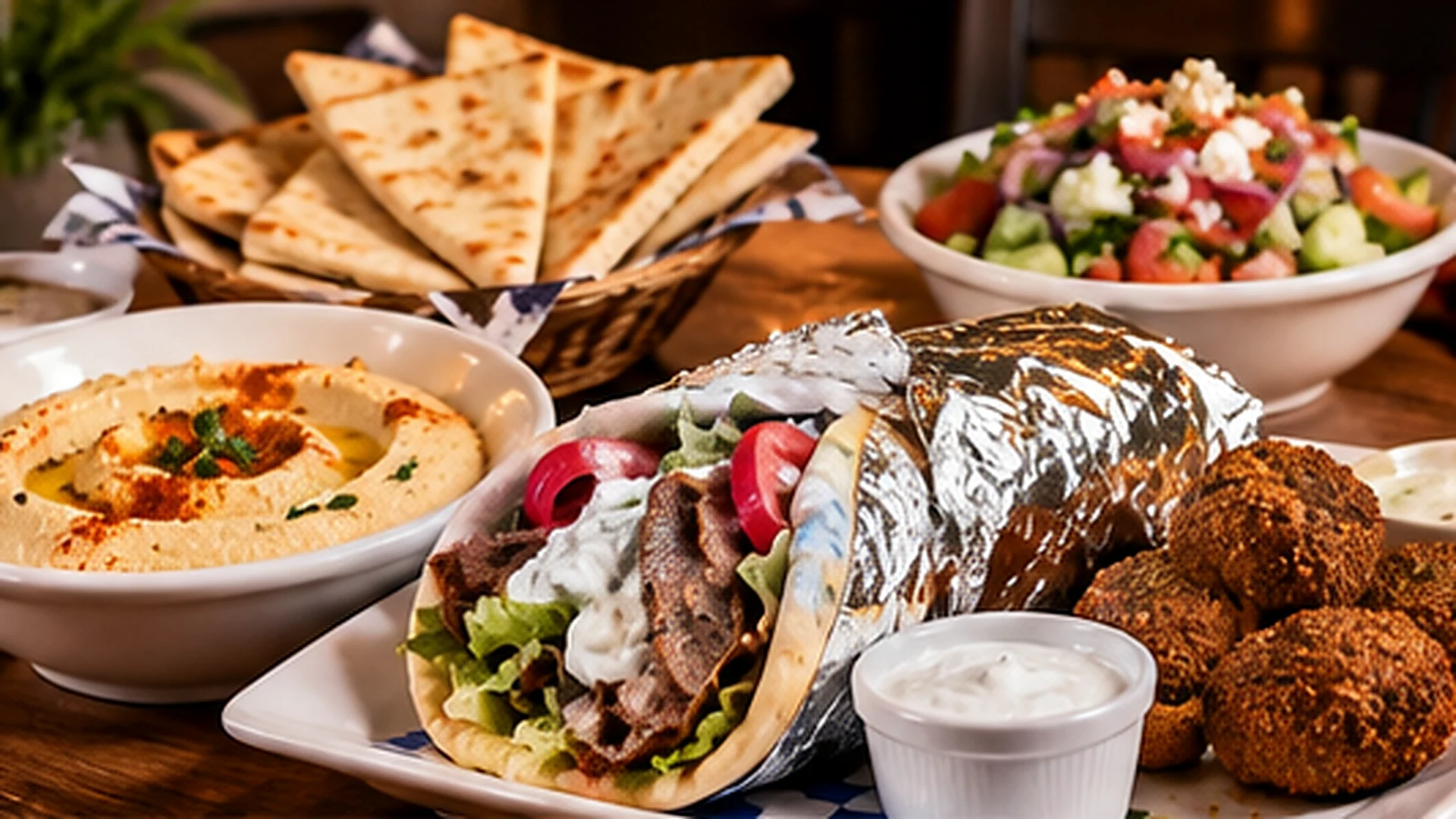
Start your first Mediterranean order with a meal format you already understand, such as a sandwich, salad, or plate with sides. Then choose a main ingredient and one new flavor to try. The Fat Lamb Orlando offers these choices at its Altamonte Springs location, so Orlando-area diners can explore the menu without guessing what every dish means.
Trying Mediterranean food in the Orlando area becomes easier when you translate the menu into everyday choices. You do not need to know the history of each dish before ordering dinner. You need to understand what you will eat, how the meal comes together, and which ingredients sound appealing. Those questions give a first visit a useful starting point.
The Fat Lamb Orlando menu includes dips, salads, gyros, kebabs, falafel, sandwiches, and platters. The descriptions below explain how to read those options. They focus on the food the restaurant lists, while leaving specific ingredient questions to the restaurant. You can choose one comfortable main and still leave room for something you have never tried before.
Understand What Mediterranean Means on This Menu
Mediterranean describes a broad food category, not one recipe that appears in every restaurant. At The Fat Lamb Orlando, the menu includes Greek-style items alongside dishes such as hummus, falafel, and Adana kebab. The menu’s actual descriptions matter more than a broad cuisine label. Reading the ingredients helps you choose a meal that fits your taste instead of assuming that every Mediterranean dish shares the same flavor, sauce, or preparation.
Start by finding the main food categories. Appetizers give you smaller dishes to consider before a main or alongside one. Salads offer vegetable-based combinations with listed ingredients and possible additions. Platters arrange a main with sides, while sandwiches and wraps bring ingredients together inside bread. Understanding those formats removes much of the uncertainty before you reach the names of individual dishes or decide which item to order.
Familiar ingredients can help you bridge the gap. Chickpeas, yogurt, cucumber, tomato, rice, chicken, and lamb appear in different parts of the menu. You may already enjoy several of them in other meals. Choose a dish that combines familiar ingredients in a new way rather than feeling that your first order must challenge every preference. A little familiarity can make one new sauce or side easier to explore.
Keep your first goal practical. You are choosing a meal, not taking a test on whether you ordered the most traditional combination. Someone who wants a chicken sandwich can begin there. Someone who prefers a plate of separate foods can choose a platter. You can return to other categories later. One meal does not need to introduce every dip, meat, vegetable, and dessert on the menu at the same time.
The restaurant homepage can help you move between the menu and contact details. Keep those useful pages in view while choosing. A clear item name and the correct address give you more help for a first visit than trying to memorize every unfamiliar food word.
Get to Know the Dips Before Choosing a Starter
Hummus and tzatziki provide different starting flavors. The restaurant describes hummus as a chickpea dip with olive oil, lemon juice, and roasted red pepper. Its tzatziki listing describes yogurt with dill, cucumber, and olive oil. The chickpea base and yogurt base give you a useful first distinction. You can choose the one whose listed ingredients you already enjoy, or compare both if your meal plan has room for separate starters.
Think of a dip as part of the meal rather than a required first course. You might want hummus because you enjoy chickpeas and want something to eat with bread. You might prefer tzatziki because yogurt and cucumber sound good alongside your main. If the main already includes sauce, read that description before ordering another portion. Extra sauce should give you an amount or flavor you want instead of simply repeating an included item.
A starter also changes the amount you plan to eat. If you order a full platter and a dip, consider whether you still want another appetizer. A first visit can lead you to add many unfamiliar dishes just because the names sound interesting. Choose one new item you can give your attention to. You will learn more about your preferences from tasting it than from managing several starters you did not really want.
Ask about a dip when a particular ingredient matters. A short menu description may not list everything in a recipe, and a menu symbol does not answer every dietary question. Name the ingredient you need to discuss. You do not need to guess whether a sauce contains something simply because another restaurant uses it. The Fat Lamb Orlando can explain its own current menu more accurately than a general definition of the dish.
Learn the Difference Between Gyros and Kebabs
A gyro and a kebab are different menu choices, even when both involve the same type of meat. The gyro descriptions refer to meat served in a sandwich or platter format. The chicken and lamb kebab listings describe skewers with rice and salad. Begin with that visible difference. You can decide whether you want a filled pita or a separate meat-and-sides meal without knowing the details of the kitchen’s equipment.
The menu lists chicken and lamb gyro options. If you already prefer one of those meats, use that preference to narrow the choices. Then read the format and sides. Choosing lamb does not mean you must choose a sandwich, and choosing chicken does not limit you to a salad. The combination of main ingredient and meal format gives you several clear routes through the menu without forcing you to consider every item.
Kebabs can help a first-time diner who enjoys a main dish with separate sides. Read the description of the specific plate you choose because the menu offers several meat options. The Adana kebab entry describes minced lamb with spices and herbs, which differs from the chicken and lamb skewer listings. Ask about seasoning if you prefer a particular level of heat. The word kebab alone does not settle that question.
You do not need to decide which dish is universally better. A gyro sandwich may suit the way you want to eat today, while a kebab plate may suit another visit. Avoid judging an unfamiliar dish by what you think its name should mean. The useful comparison is concrete. Look at the meat, bread, rice, salad, and sauce listed in each option, then choose the arrangement that sounds good to you.
Find the Meal Format That Feels Familiar
Sandwiches, platters, and salads provide familiar ways to approach a new menu. A sandwich puts several ingredients inside bread. A platter keeps the main and sides more separate. A salad starts with its listed vegetable combination and may offer additions. You can choose the format first and the specific dish second. This approach makes the menu easier to scan because you compare a few similar items instead of every category at once.
A diner who enjoys sandwiches can begin with a gyro. The menu’s lamb and chicken versions list pita, lettuce, tomato, and yogurt sauce. A diner who wants a meat-free sandwich can read the hummus sandwich or falafel burger listing. Do not assume that every sandwich uses the same bread or fillings. The individual description tells you more than the category heading, especially when a burger and pita sandwich appear close together.
A platter can suit someone who wants to explore several parts of a meal without mixing them immediately. Try a little rice with the main, then a little salad, then some sauce with bread. You control those combinations on your own plate. This format can make unfamiliar food feel less uncertain because you can taste each part before deciding how you want to bring the flavors together in the next bite.
A salad can also serve as the starting point for a complete order. Read its ingredients and any available additions before deciding whether it meets your appetite. A Greek salad and a chopped cucumber-and-tomato salad do not offer identical bases. Choosing a salad does not mean you must make a health claim about the meal. It can simply mean that you want those vegetables and flavors today, with the additions you choose.
Choose a First Order With a Clear Flavor Plan
A clear first order combines familiar ingredients with one new element. If you enjoy chicken and rice, a chicken plate gives you a comfortable base. You can explore a dip or salad alongside it. If you like sandwiches, a gyro lets you try a different filling inside a familiar format. The first meal should fit your preferences while giving you enough variety to notice what you might order again.
For a simple sandwich plan, choose the lamb or chicken gyro and read the listing for any included sauce. Decide whether you want a side before adding one. This order focuses your attention on the combination inside the pita. You can learn whether you enjoy the meat, vegetables, and sauce together without also comparing several appetizers. A smaller set of decisions can make the first order feel more personal and less uncertain.
For a plate-based plan, compare the chicken gyro platter, lamb gyro platter, and kebab plates. Use the listed ingredients to choose between them. The gyro platter descriptions include rice, salad, pita, and tzatziki. That gives you several parts to taste without ordering a separate starter. You can still add something you strongly want, but the plate already supplies a clear starting combination for a diner exploring the menu.
For a meat-free plan, read the falafel platter description. The menu lists falafel with hummus, lemon potatoes, and pita. That combination offers several different components without requiring you to choose each one separately. Treat the example as a menu-reading aid rather than a promise about how much you should eat. Your appetite and ingredient needs still matter, and the restaurant can answer questions that the short description does not cover.
Read Salads and Meat-Free Dishes More Closely
A dish can contain no meat and still contain cheese or yogurt. The Greek salad lists feta, the spinach pie lists cheese, and tzatziki uses yogurt. These ingredients help you choose according to your preferences. They also show why the broad phrase meat-free does not automatically mean vegan. Read the actual dish description and ask about specific needs rather than treating different dietary terms as if they mean the same thing.
Falafel provides a chickpea-based choice on this menu. The restaurant describes it with herbs and cumin and offers it in more than one format. The platter, burger, and appetizer do different jobs in an order. A falafel starter alongside a meat main is different from choosing falafel as the main itself. Decide which role you want before comparing the options, so that an appetizer does not accidentally stand in for the whole dinner.
Salads also differ from one another. The Greek salad listing includes romaine, tomato, cucumber, onion, feta, olives, and pepperoncini. The Sheppard salad lists chopped cucumber, onion, tomato, parsley, and feta. Those ingredients give you a clear contrast in the base of the dish. You can choose according to whether you want leafy greens or a chopped vegetable combination, then review the dressing and any additions that interest you.
Keep ingredient questions specific and simple. Ask whether a named dish includes the item you avoid and whether the restaurant can make the change you need. A request to remove one ingredient may not resolve every part of a dietary requirement. The restaurant needs the actual question to give a useful answer. You do not need to turn your first visit into a discussion of every menu symbol if only one detail affects your order.
Try Something New Without Ordering Too Much
Choose one main and one optional new taste before adding more food. That plan lets you notice what you enjoy rather than treating the menu as a list you must finish. A dip, side, or different main can provide the new element. You do not need all three. The best first order for your own evening may be a familiar format with just one ingredient you have never tried before.
If you eat with someone else, explain what you both want from the meal. One person may enjoy trying several dishes while the other wants a clear individual order. Keep those preferences separate. You can each choose a main and share a starter if both people want it. This gives you a chance to compare flavors without assuming that sharing means surrendering the meal you actually hoped to eat.
Review the whole order before paying. A starter, extra side, and drink can change both the amount of food and the final cost. Use the linked ordering menu for current choices and the actual total. This guide does not use old menu prices as a promise. Comparing the combination you plan to buy is more useful than comparing one isolated item from different menu versions.
After the meal, remember one or two details rather than trying to rank everything. You might learn that you prefer a gyro in pita, that you want rice with kebabs, or that you enjoy hummus as a starter. Those observations give your next visit a clear direction. You can explore another dish without starting from the same uncertainty. A good first order helps you build your own preferences over time.
Plan Your First Visit From the Orlando Area
The Fat Lamb Orlando serves its menu at 851 S State Rd 434 in Altamonte Springs. The wider Orlando name does not mean that the restaurant sits downtown or beside your hotel. Check the published address and contact information before you set out. The actual destination matters when you decide whether a restaurant fits a workday meal, a visit with friends, or another part of your day.
Use directions from your own starting point rather than estimating from the word Orlando. People can begin their journey from different parts of the area, so one general travel time would not help everyone. Current traffic and your route also matter. A map can answer that practical question better than a broad food guide. Choose the meal and the location together so that the plan suits the time you have available.
Browse the menu before visiting, then keep one main choice and one question in mind. You may want to ask about the sauce on a gyro, the parts of a platter, or an ingredient in a starter. Naming that question makes it easier to get the information you need. The restaurant’s phone number is 407-203-3113 if you need to settle a detail that affects whether you should make the trip.
The Orlando-area food page offers another way to explore the restaurant’s gyro-focused choices. Keep the Altamonte Springs address with that information. A first Mediterranean meal becomes much simpler when you know what the menu words mean and where you will eat. You can choose familiar ingredients, try one new flavor, and leave the rest of the menu for a later visit.
Questions Before Your First Mediterranean Meal
Do I need to order an appetizer?
No, an appetizer is optional. Many listed mains already combine several parts of a meal. Read your main’s description first, then add a starter only if you want the extra dish.
Can I order chicken instead of lamb?
Yes, the menu lists chicken gyros, chicken gyro platters, and chicken kebabs. Compare those individual listings rather than assuming that every lamb dish has an identical chicken replacement.
Does every Mediterranean dish contain meat?
No, the menu includes hummus, falafel, salads, and spinach pie. Some meat-free dishes contain dairy, so check ingredients if you need a particular type of meal.
Should I expect every dish to taste spicy?
No, you should not assume one level of heat across the whole menu. Ask about the specific dish and sauce that interest you, especially if seasoning strongly affects your choice.
Where does The Fat Lamb Orlando serve these dishes?
The published location is 851 S State Rd 434, Altamonte Springs, FL 32714. Check directions to that address when planning a visit from another part of the Orlando area.
Open the Menu With a Clear First Choice
Begin with the format you know, choose a main ingredient you enjoy, and explore one new flavor if you want to. You can build a clear first meal from a sandwich, platter, or salad without learning every menu term at once. The next useful step is to read the current listing for the dish that sounds right for you.