 Home



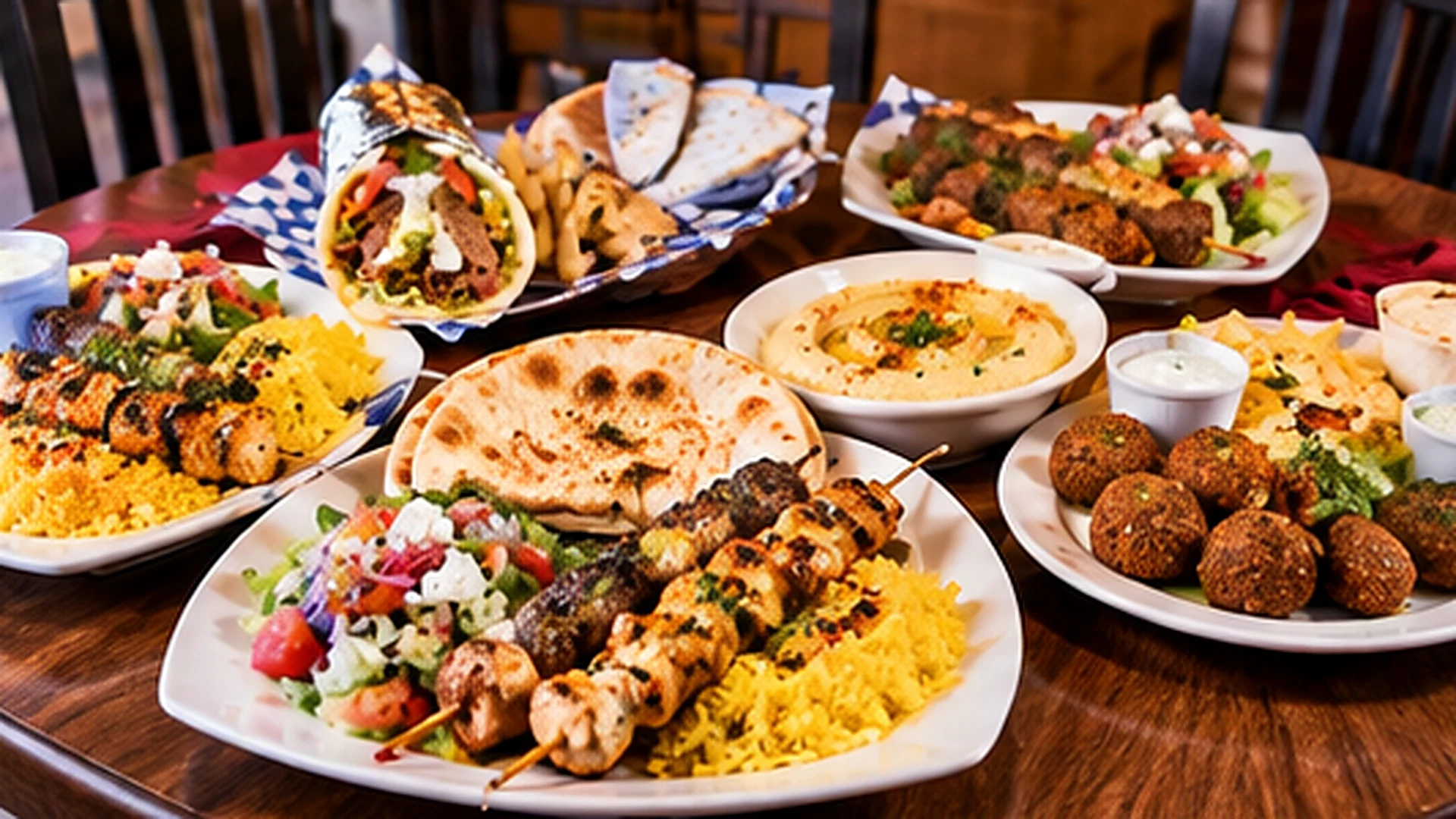
Choose each person’s main before adding shared food to a small-group order. Then use starters and sides to add variety that the group actually wants. The Fat Lamb Orlando lists lamb, chicken, falafel, salads, and a kebab platter for 2 at its Altamonte Springs location, giving different diners several clear starting points.
A search for the best Mediterranean food in Orlando means different things to different people. One friend may want lamb, another wants chicken, and someone else wants a meal without meat. The useful question for the group is which menu can help each person choose a meal they want. A clear order matters more than an unsupported claim that one restaurant wins every comparison.
The Fat Lamb Orlando menu gives you individual mains and shared options to compare. This guide shows how a small group can organize those choices without confusing a normal menu order with a catering package. The examples are suggestions, and the restaurant’s published location is 851 S State Rd 434 in Altamonte Springs. Check the actual destination as part of your Orlando-area meal plan.
Define What a Good Group Meal Needs to Do
A good group meal gives every diner a main they want and makes shared choices easy to understand. Begin with that goal before discussing specific dishes. A menu with many items does not automatically solve different preferences. The group still needs to decide which foods belong to individuals and which belong to everyone. Clear choices can make a small order feel organized without turning dinner into a detailed planning project.
Ask what matters most to the people eating. Some may want to try different dishes, while others prefer one familiar meal. Someone may want a platter with separate sides, while someone else wants a gyro sandwich. You can accommodate those preferences through separate listed mains. Sharing is useful when people want the same item, but it should not become the only way one person can get enough of the food they chose.
Set a practical size for the plan. This article considers an ordinary small group choosing from the regular menu, not a catered event or a large gathering. If your needs involve special quantities, service arrangements, or a bigger party, contact the restaurant. The menu alone does not establish those options. For a small order, focus first on the people, their mains, and the shared items you can name clearly.
Keep the group’s decision criteria simple. Look at available dishes, the actual address, the complete cost, and the time around the meal. Those details tell you whether the choice fits your situation. A broad restaurant ranking cannot answer all of them. You can choose a suitable meal without inventing a reason that one menu must please every diner or suit every occasion across the Orlando area.
Collect Preferences Before Suggesting Dishes
Collect each person’s main preference before suggesting a shared order. Ask whether they want lamb, chicken, falafel, another listed option, or a vegetable-focused meal. Then ask which format they prefer. A person who says chicken may mean a sandwich, a salad addition, or a plate with rice. The format question turns a broad preference into a useful menu choice and prevents someone else from deciding the whole meal on their behalf.
Ask about ingredient needs in clear terms rather than assuming that a cuisine label covers them. Cheese and yogurt appear in several dishes, and meat-free does not automatically mean vegan. The restaurant needs any important question about the actual dish. You do not need to collect private explanations from everyone in the group. Each diner can contact the restaurant about the details that matter to their own meal.
Record individual choices in one place. Keep the person’s name, exact main, available options, and any personal extras together. A group chat can become confusing when people mention several dishes before making a final choice. Ask each person to identify their final item so that a casual suggestion does not enter the order by mistake. A clear list also makes it easier to check the total number of mains.
Choose one person to keep the final version of the order. Everyone can share preferences, but one current list helps the group avoid using an earlier message after someone changes their main or side.
Leave shared items until those choices are complete. A hummus starter may sound appealing, but it does not answer whether everyone has a main. Once the individual meals are clear, you can see what the group already has and choose useful extras. This avoids the common problem of building an order around the loudest preference while a quieter diner ends up with whatever bread, salad, or side remains available.
Give Each Person a Main Dish They Actually Want
Individual mains let different preferences coexist without forcing every person into a shared platter. The menu lists lamb and chicken gyros, kebab plates, falafel dishes, salads, and sandwiches. Each diner can choose a format and main ingredient, then read the included components. The goal is a real meal for each person. Shared starters can add interest afterward, but they do not need to carry the whole order.
A diner who wants a gyro sandwich can choose that main while another chooses a chicken kebab plate. The different formats do not create a problem if you keep ownership clear. Each person knows what they ordered and which sides belong with it. Compare the current descriptions rather than assuming that every main has matching extras. This helps you avoid adding another side simply because one plate looks different from another.
Give the meat-free diner the same clear choice as everyone else. A falafel platter, falafel burger, or other suitable listed item can serve as their main. Do not treat the group’s salad or pita as that person’s entire meal unless they choose that combination themselves. This is a practical ordering decision, not a special favor. Every diner should have a named choice that reflects their appetite and preferences.
If 2 people want the same shared kebab selection, they can compare the platter for 2 together. Keep the other diners’ mains separate from that decision. One shared dish does not need to define the entire group’s order. Read the listed contents and avoid assuming that a 2-person item feeds every additional guest. Clear group planning respects the menu’s description while leaving each person room to choose a different meal.
Choose Shared Starters That Add Variety
Shared starters work best when they add something the group wants beyond the individual mains. The menu lists hummus, tzatziki, falafel, grape leaves, and spinach pie among its appetizers. Compare those choices with the mains already on the list. If several people have meals that include hummus, another large hummus-focused selection may provide less variety than the group expects. Choose the starter for a reason you can explain.
A dip can give people a common item to enjoy while keeping their main meals separate. Hummus provides a chickpea base, while tzatziki provides a yogurt-and-cucumber base. Ask which one the group wants instead of treating the two as the same choice. If dairy or another ingredient matters to a diner, confirm the actual item with the restaurant. A shared label should not hide a question that affects who can enjoy the dish.
A starter with a different form can also provide contrast. Spinach pie brings pastry and cheese, while falafel adds a chickpea-based item with herbs and cumin. Read the current description before deciding what to share. You can choose one starter thoughtfully rather than selecting every appetizer category. The mains still form the meal, so shared food should support the order rather than make it harder to understand or divide.
State whether a shared starter is for everyone or only for the people who requested it. This keeps the food and the bill clear. A diner may choose not to share because they already have the meal they want. Respect that choice without requiring everyone to buy the same extras. Shared food adds value when the people involved want it, know what it is, and agree on its place in the order.
Build a Four-Person Order Without Guessing Portions
A hypothetical 4-person order can begin with 4 separate main choices. For example, one person could choose a lamb gyro sandwich, another a chicken gyro platter, another a falafel platter, and another a chicken kebab plate. Each diner starts with a meal they selected. This example shows how the menu can support different preferences. It is not a fixed package, a serving guarantee, or a promise that those choices fit every group.
Read the included components before adding shared sides. The gyro platter lists rice, salad, pita, and tzatziki. The falafel platter lists hummus, lemon potatoes, and pita. Other mains have their own descriptions. Comparing those details can reveal that the group already has several kinds of food. Add another item because someone wants it, not because 4 mains with different formats look like an incomplete order on the screen.
Now consider a different 4-person plan in which 2 diners want the kebab platter for 2. The other 2 diners can choose their own mains. This keeps the shared selection within the part of the group that wants it. Do not stretch the 2-person label into an assumption about feeding all 4 diners. Ask the restaurant about portions if that detail affects the decision, and let the current menu guide the comparison.
Check the count by person before paying. Every diner should be able to point to their main or their agreed share of a listed dish. Then count the optional starters, sides, and drinks separately. This simple review can catch a missing meal or a duplicate extra without making the order complicated. When the group changes one main, update the list clearly so that the old and new choices do not both remain.
Keep the Shared Bill Clear From the Start
A clear bill begins with agreement about individual and shared items. Decide whether each person will cover their own main or whether the group prefers another arrangement. Then identify the starters, sides, and drinks that belong to more than one diner. You do not need to wait until the food arrives to have this conversation. Settling the plan early keeps the focus on enjoying the meal rather than explaining who ordered each extra.
Use the same current menu when collecting choices. Different platforms or saved images can show different prices and options. Share the linked ordering menu so that people choose from the source you intend to use. The actual order screen gives you the relevant item costs and any displayed charges. Avoid using an old blog price as a promise about what the group will pay today.
If the total goes beyond the plan, review shared extras before changing individual mains. A dip nobody strongly wants may be easier to remove than a main someone chose carefully. Ask the people involved rather than assuming everyone values each item equally. This approach gives you a practical way to adjust the order while keeping each diner satisfied with their own meal. The final choice should remain understandable to the whole group.
Confirm the final item count, options, and amount before payment. If someone changes their meal, check whether that affects a side or drink they had added earlier. Small group orders can collect extras that no longer have a purpose after the main changes. Reviewing the complete order catches those details. You can keep the bill clear without trying to rank every dish by a single idea of value or portion size.
Check the Practical Details for Your Group
Practical details include the destination, timing, and any arrangement the group needs from the restaurant. The Fat Lamb Orlando’s published address is 851 S State Rd 434 in Altamonte Springs. Use the contact page when coordinating the meal. A group searching across Orlando can begin in several different places, so agree on the actual destination rather than assuming that everyone interprets the area name the same way.
If you plan to eat at the restaurant and a particular seating arrangement matters, ask about it directly. The presence of shared platters on a menu does not confirm table availability, reservations, or space for a larger party. Keep the request specific. The restaurant can explain what it can offer for your situation. This guide focuses on choosing food and cannot promise an arrangement that the restaurant has not confirmed.
If one person will collect the order, share the confirmation and current timing information with that person. Make sure they know the restaurant address and the name used when ordering. The rest of the group can then plan around the actual information. An online order does not give this article a basis to guarantee a preparation time. Clear communication is more useful than asking the collector to remember several conversations and assumptions.
Keep the order within the scope you have discussed. A small menu order and a catered event involve different questions. Contact the restaurant before relying on special quantities, delivery coverage, or event service. You can still use the same basic preference list to explain what the group needs. Knowing the difference prevents a useful food guide from turning into an unsupported promise about services, capacity, or arrangements beyond the listed meal choices.
Judge the Meal by Fit Rather Than a Ranking Claim
The best fit for your group depends on the people eating and the order you choose. A generic claim about the best Mediterranean food near you cannot tell you whether everyone wants the same ingredients, whether the address fits your plans, or whether the complete order matches your budget. Use concrete criteria instead. Look for dishes people want, clear components, a practical location, and current information about the meal you will buy.
Compare menus by what they explain. Can each diner identify a main? Can you distinguish the included sides from extras? Can someone who wants falafel find a real meal instead of relying on a shared meat plate’s sides? These questions give you practical reasons for choosing. They avoid turning a food preference into an unsupported statement that one restaurant is better for every household, friend group, or occasion in the wider area.
Use The Fat Lamb Orlando homepage as the starting point for the restaurant, then read the individual menu listings that match your group. A broad Orlando search should lead you to specific information, not replace it. Keep the Altamonte Springs address clear and ask about any important detail. Your group can then choose from the restaurant’s actual options with a shared understanding of what everyone plans to order.
A successful small-group plan does not require matching plates or a large number of appetizers. It gives each person a main they want and uses shared items where they add something useful. Once those choices are clear, the group can stop debating every dish. The food plan supports the reason people gathered in the first place, whether that is a casual meal with friends, a household dinner, or time together after a busy day.
Small-Group Mediterranean Ordering Questions
Does this guide describe a catering package?
No, the examples use ordinary menu items for a small group. Contact the restaurant if you need catering, special quantities, or an arrangement beyond a regular menu order.
Can every person order a different main?
Yes, the menu includes individual mains in several formats. Each diner can choose a listed item, and the group can add shared food afterward if people want it.
How many people does a kebab platter for 2 promise to serve?
The menu names it as a platter for 2. Use that label as the starting description rather than assuming it covers a larger group or guarantees a particular amount for every appetite.
Should the group share one meat-free main?
Only if the diners involved choose that arrangement. Give each meat-free diner a clear meal choice instead of assuming that one shared dish or leftover sides will meet everyone’s appetite.
Can a general Orlando search replace checking the address?
No, check the actual destination before coordinating the group. The Fat Lamb Orlando publishes an Altamonte Springs address at 851 S State Rd 434.
Start Your Group Order With the Menu
Collect each person’s main choice, then compare the starters and sides the group wants to share. Check the included items before adding extras, and review the final order together. That process gives you a practical way to choose Mediterranean food for different tastes while keeping the meal, budget, and destination clear for everyone involved.